Featured
Start Here: Tincture Basics
What tinctures are and how to read a label
HERBAL TINCTURES
Read clear charts on dosage, storage, and extraction so you can use tinctures with less guesswork at home.
FROM THE JOURNAL
What tinctures are and how to read a label
Featured
What tinctures are and how to read a label
Dose notes
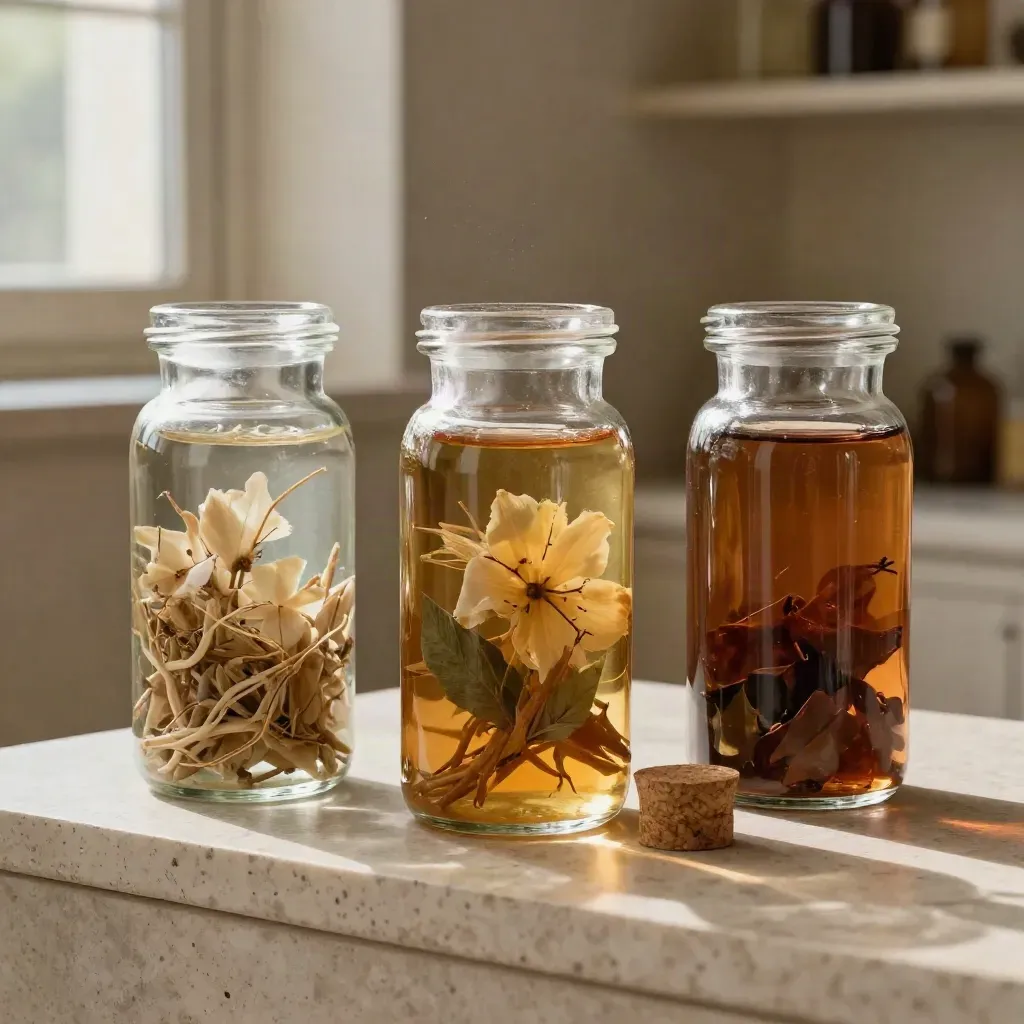
Journal
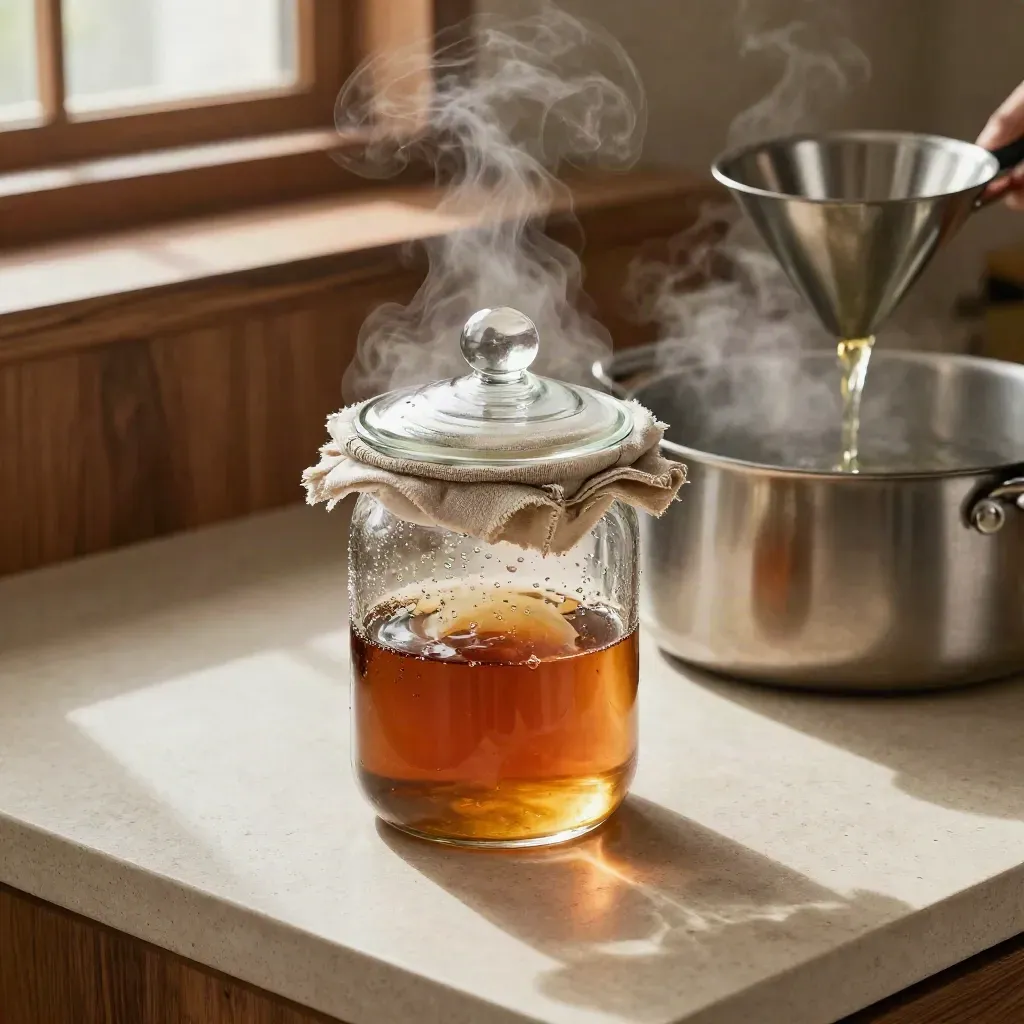
Heat, soak, strain, and store
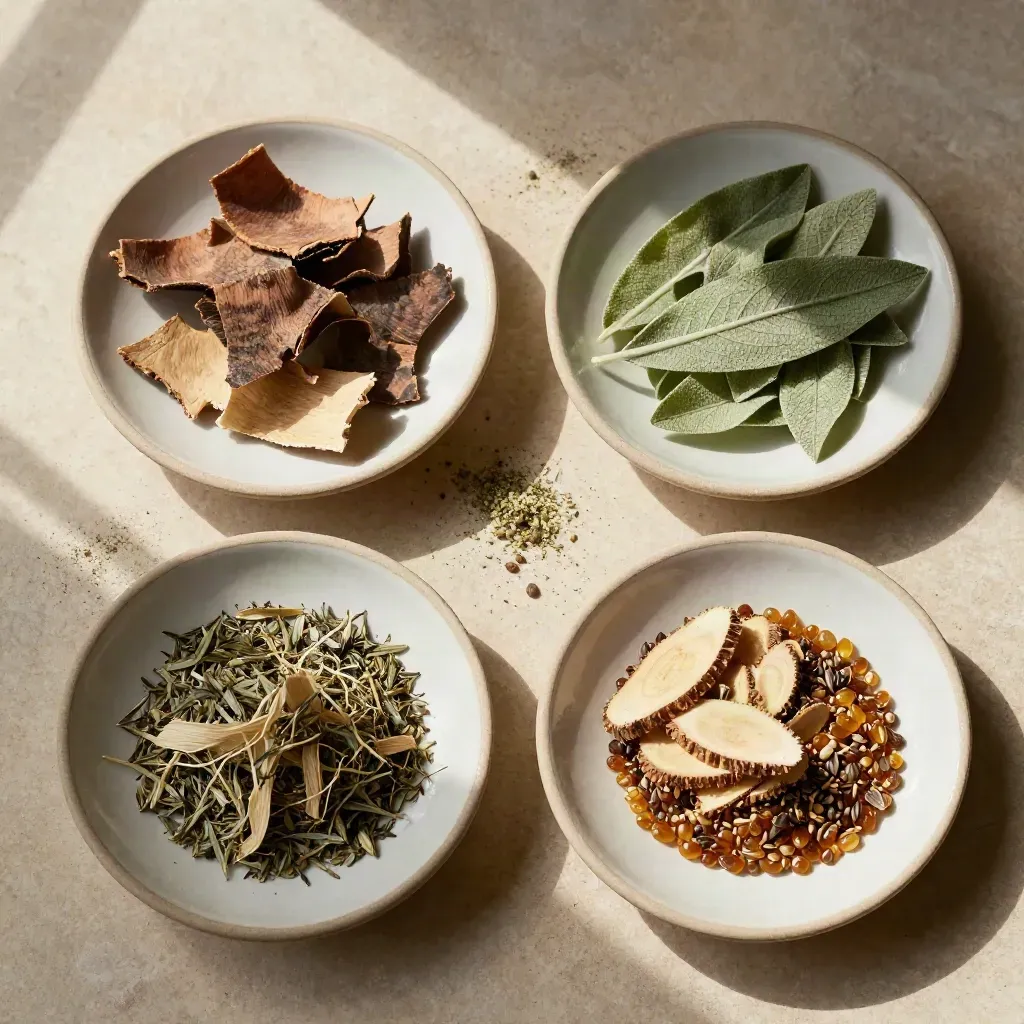
Plain words for roots, bark, leaf, and seed
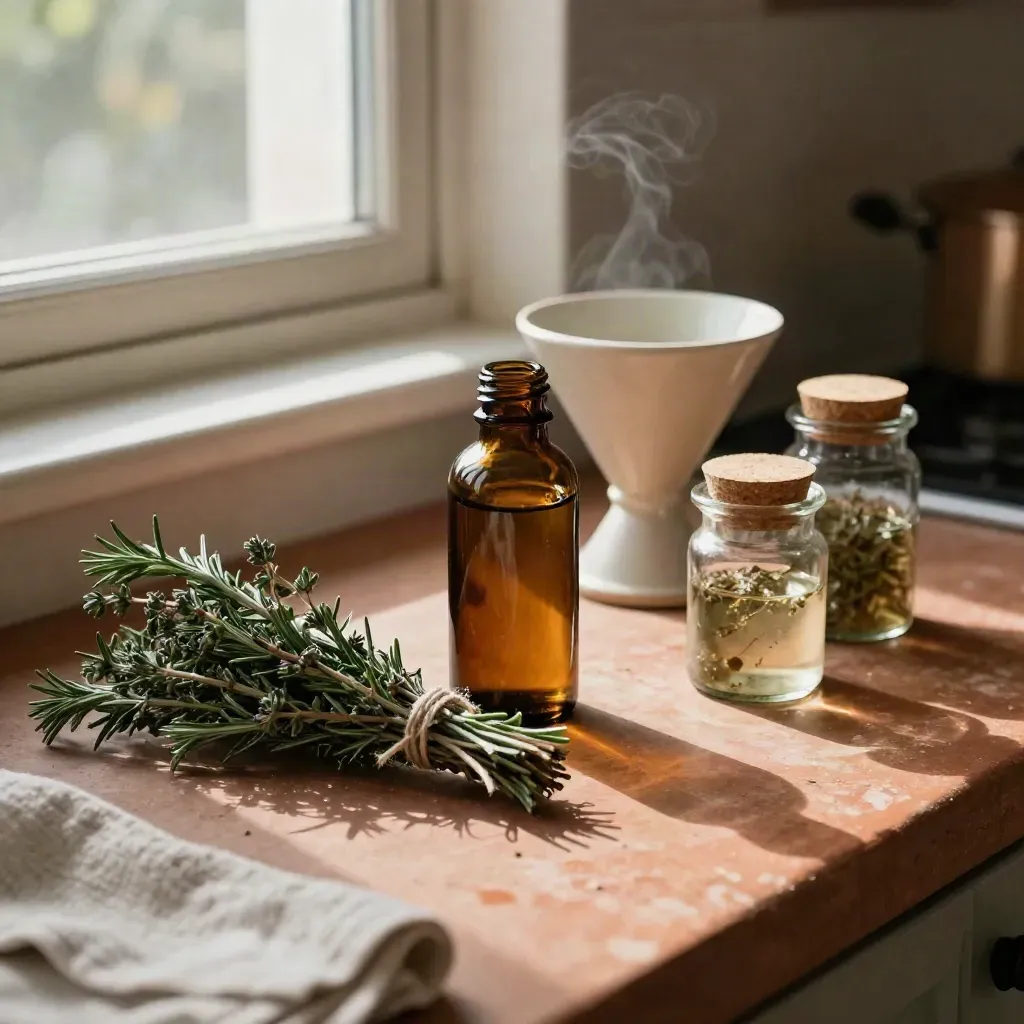
Simple blends for a first small batch
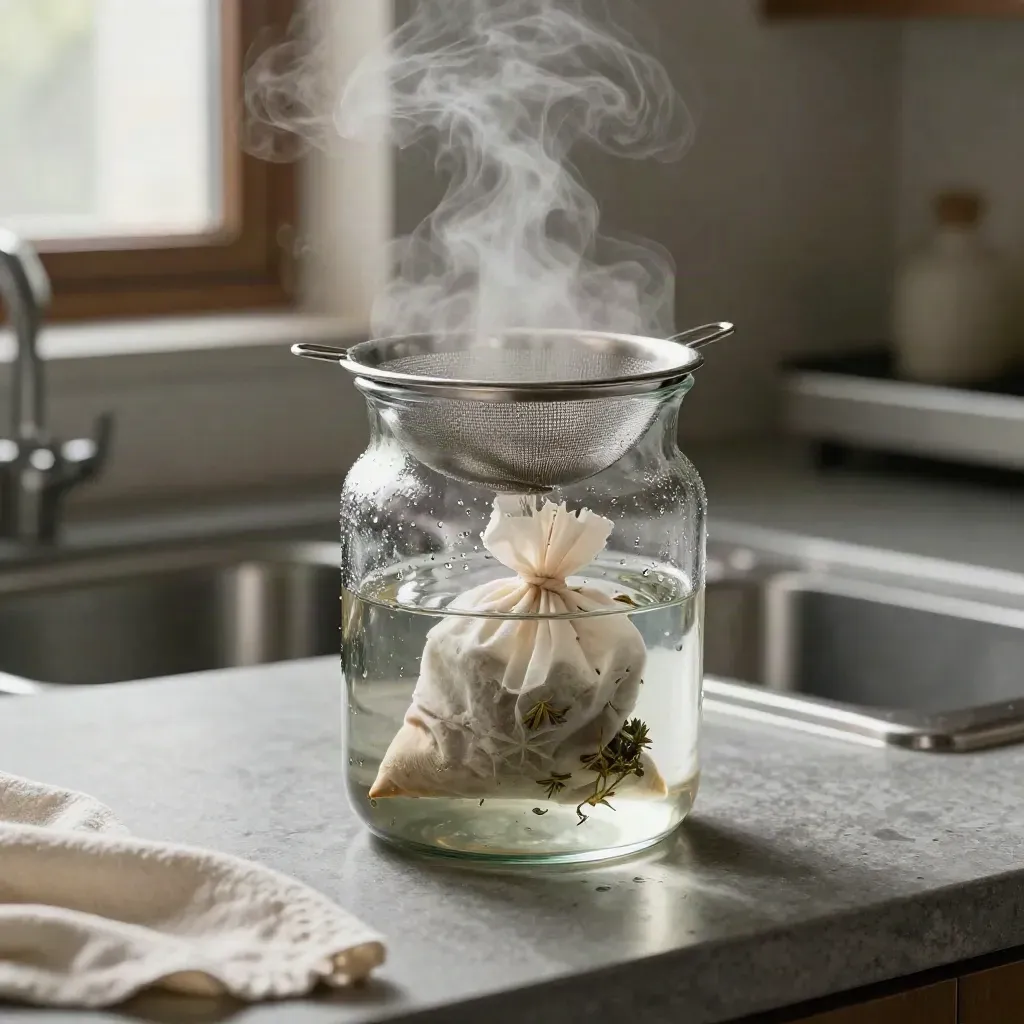
How-to
How-to
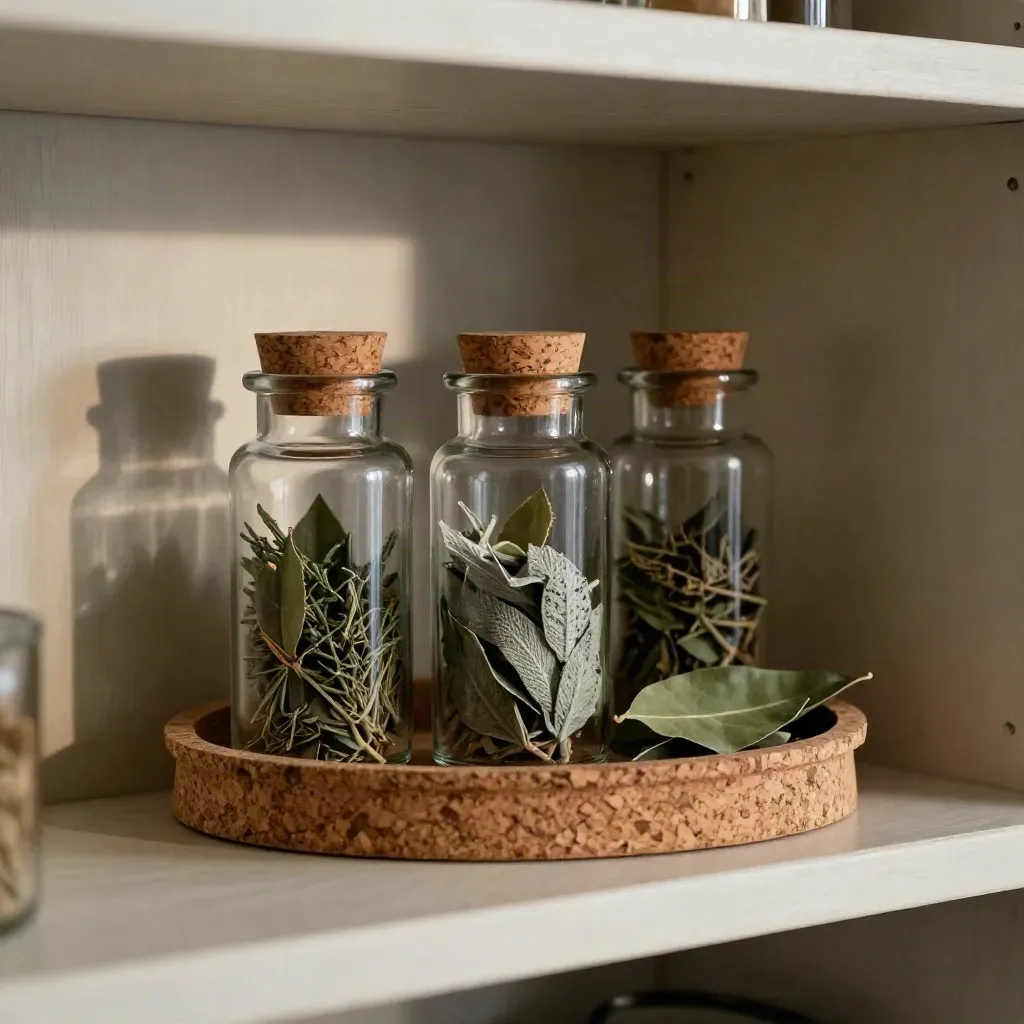
Read first
Read first
TOPIC CHIPS
Simple dose tables for common tincture strengths and daily use.
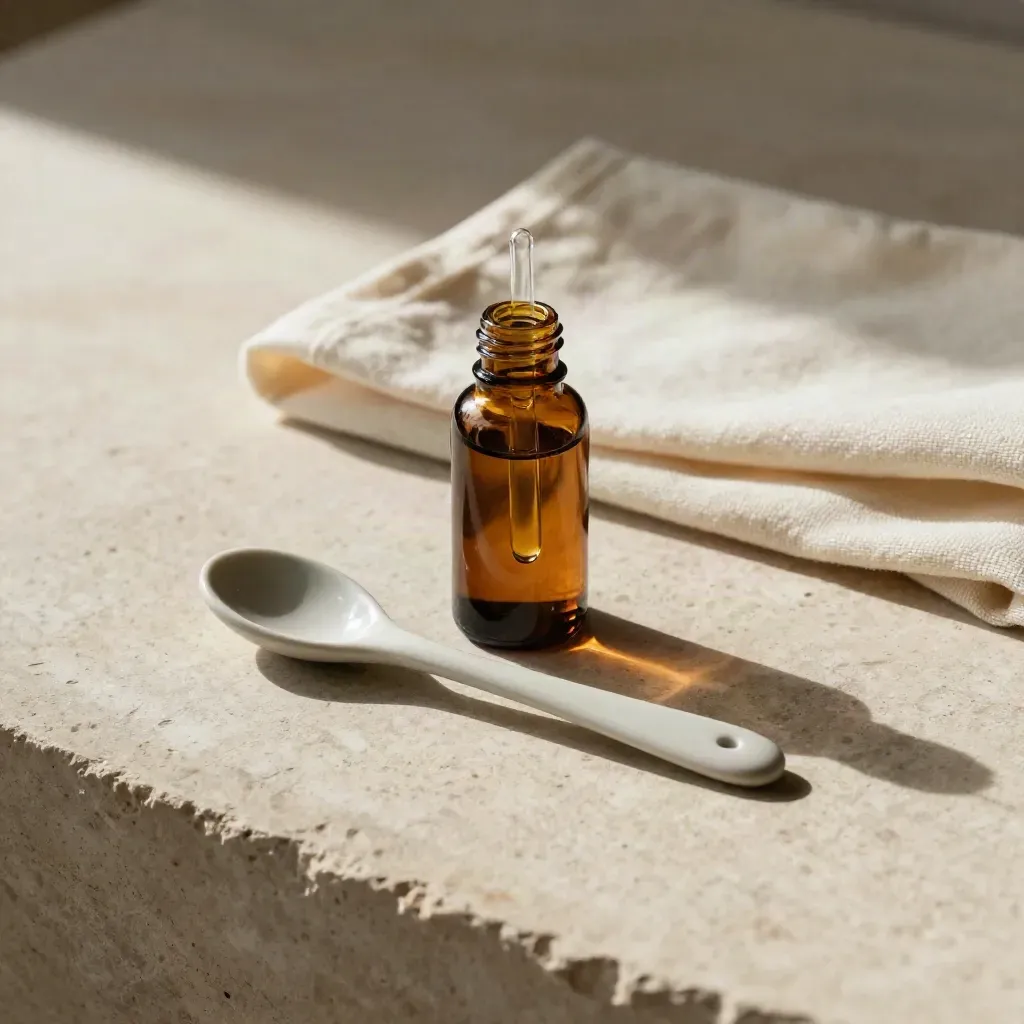
GUIDE
Simple dose tables for common tincture strengths and daily use.
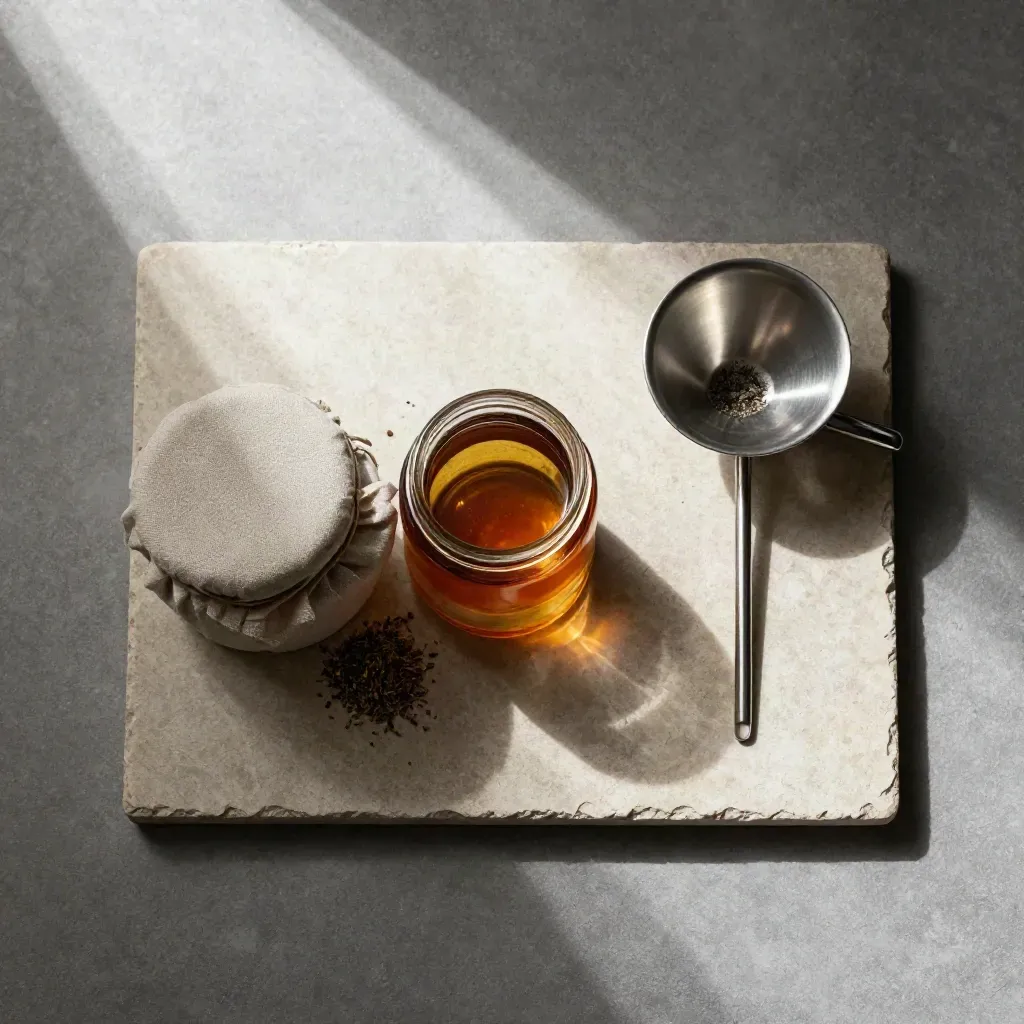
GUIDE
Alcohol, glycerin, and vinegar basics for home jars.
TIPS
Plain words for herbs, solvents, and label terms.
GUIDE
Keep jars cool, dark, and sealed for longer use.
guides and notes
guides and notes
dose charts and examples
dose charts and examples
herb terms and label words
herb terms and label words
Community
“The dosage chart saved me from guessing every time I mixed a bottle.”
Maya Chen
Home herbalist, Cedar Root Studio
“The herb glossary made my first tincture label make sense right away.”
Leo Maren
Wellness writer, Northgate Press
“The storage notes tell me what to look for and what to toss.”
Ruth Calder
Apothecary shop owner, Fern & Fold Herbs
SPOTLIGHT
See how long tinctures keep and when to toss a jar
Spotlight
See how long tinctures keep and when to toss a jar
Use dates, herb names, and strength notes
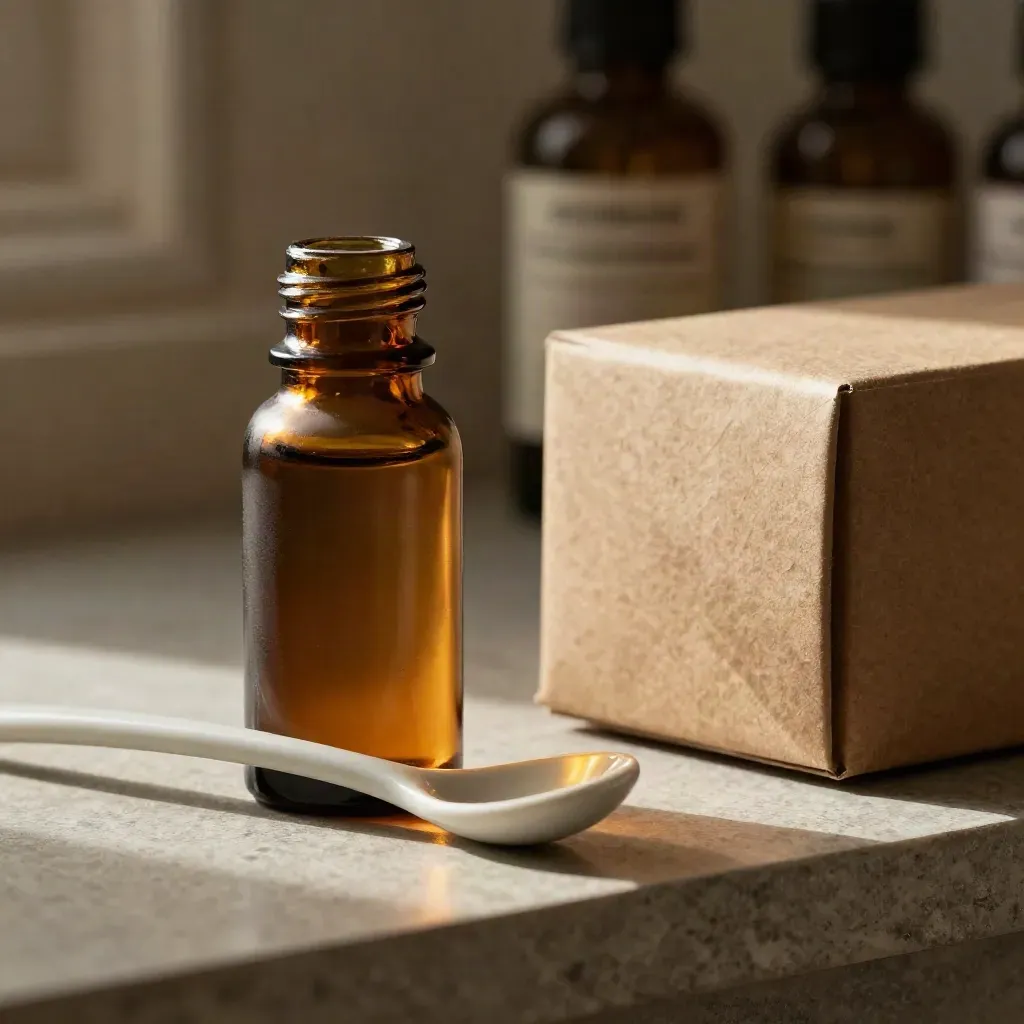
Find dose notes, serving size, and plant type
Core
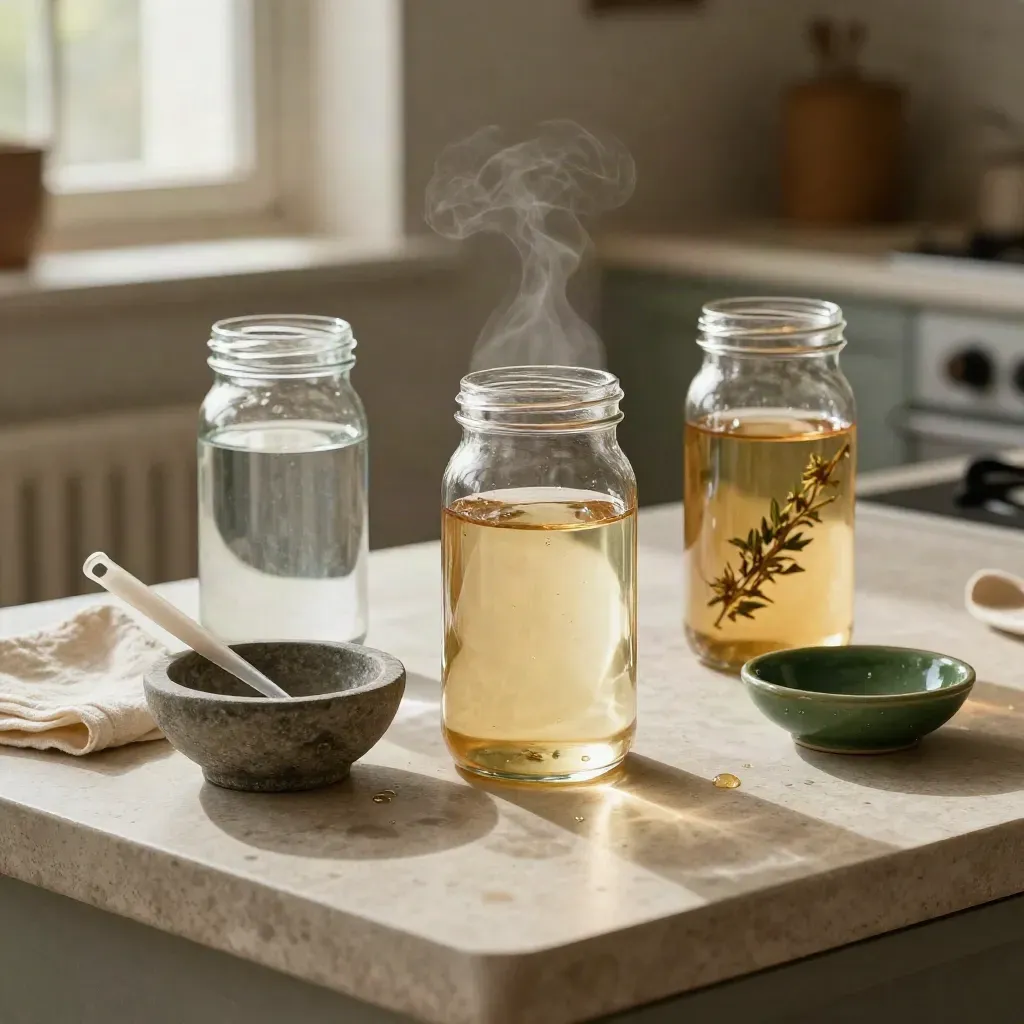
Pick alcohol, glycerin, or vinegar with clear steps
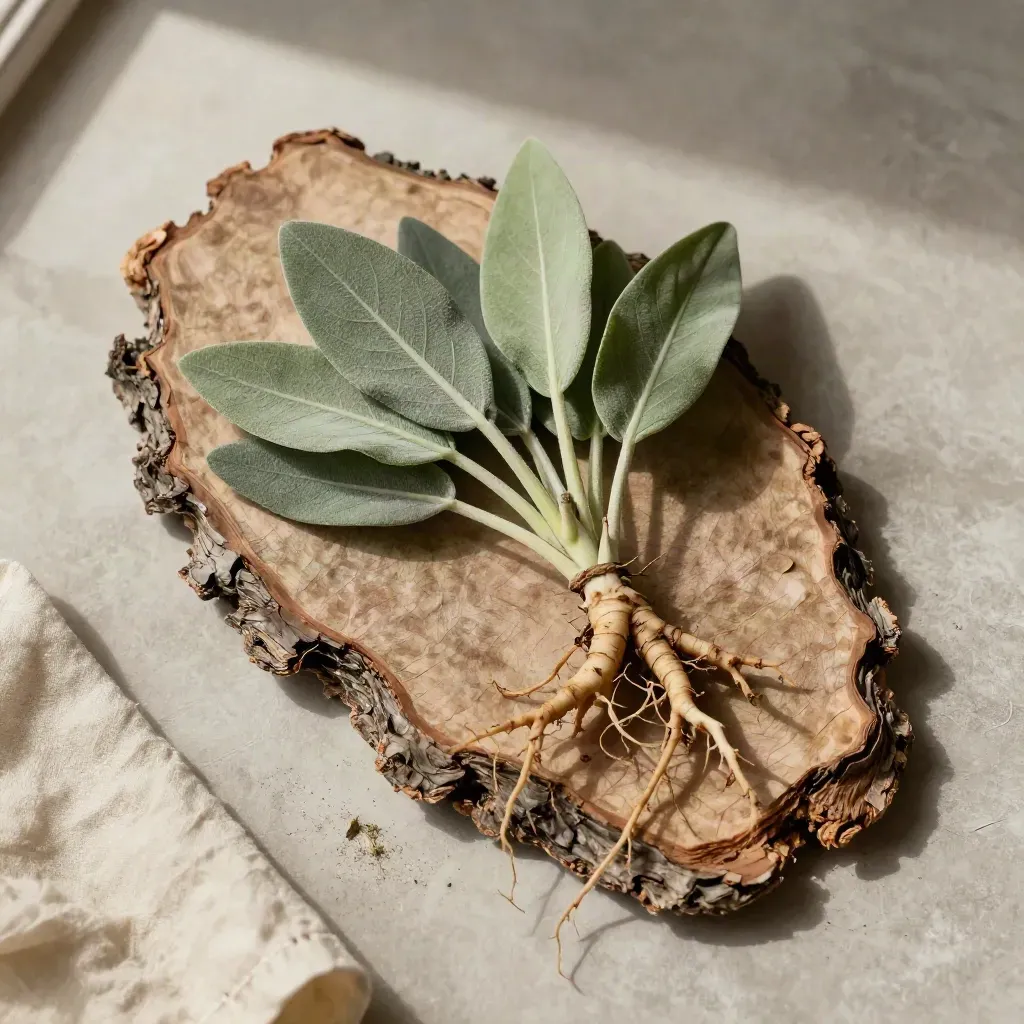
A simple guide to common plant parts
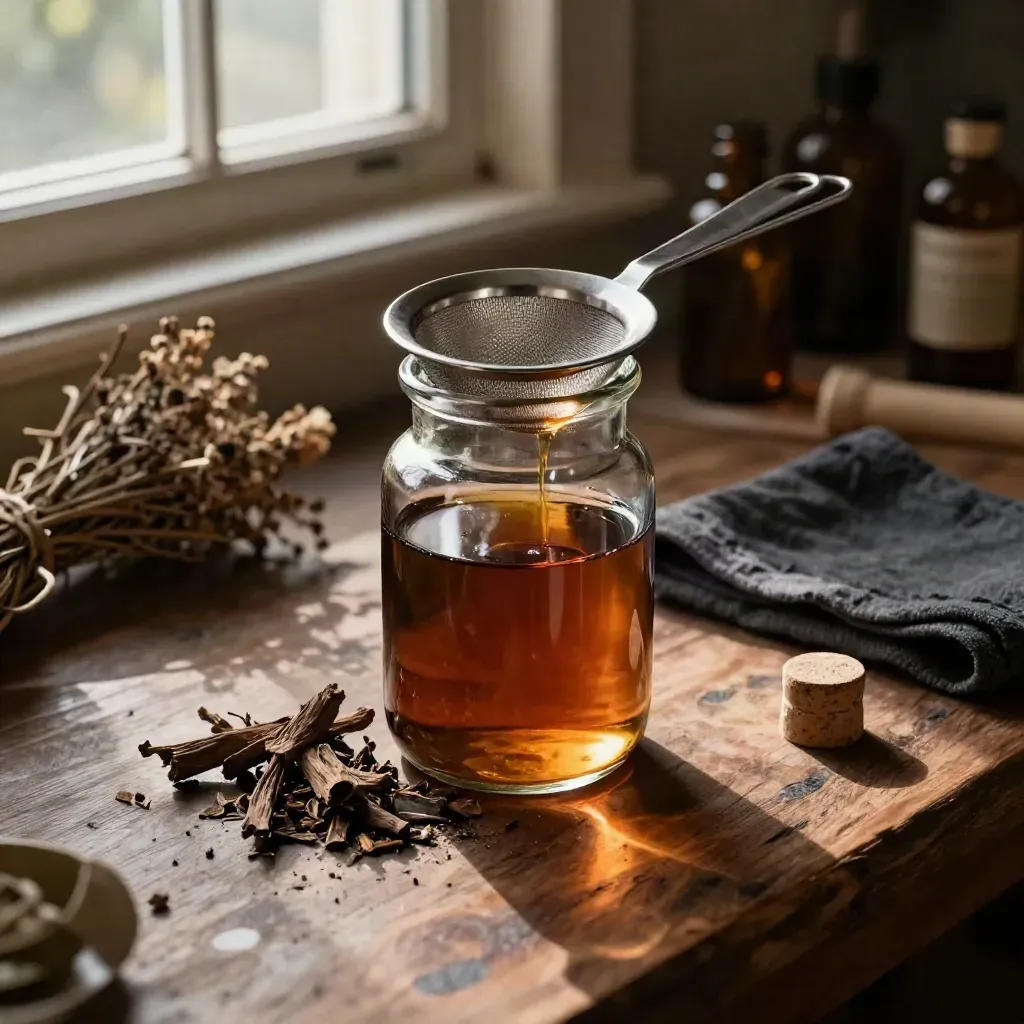
Why many herbalists use alcohol for strong pulls
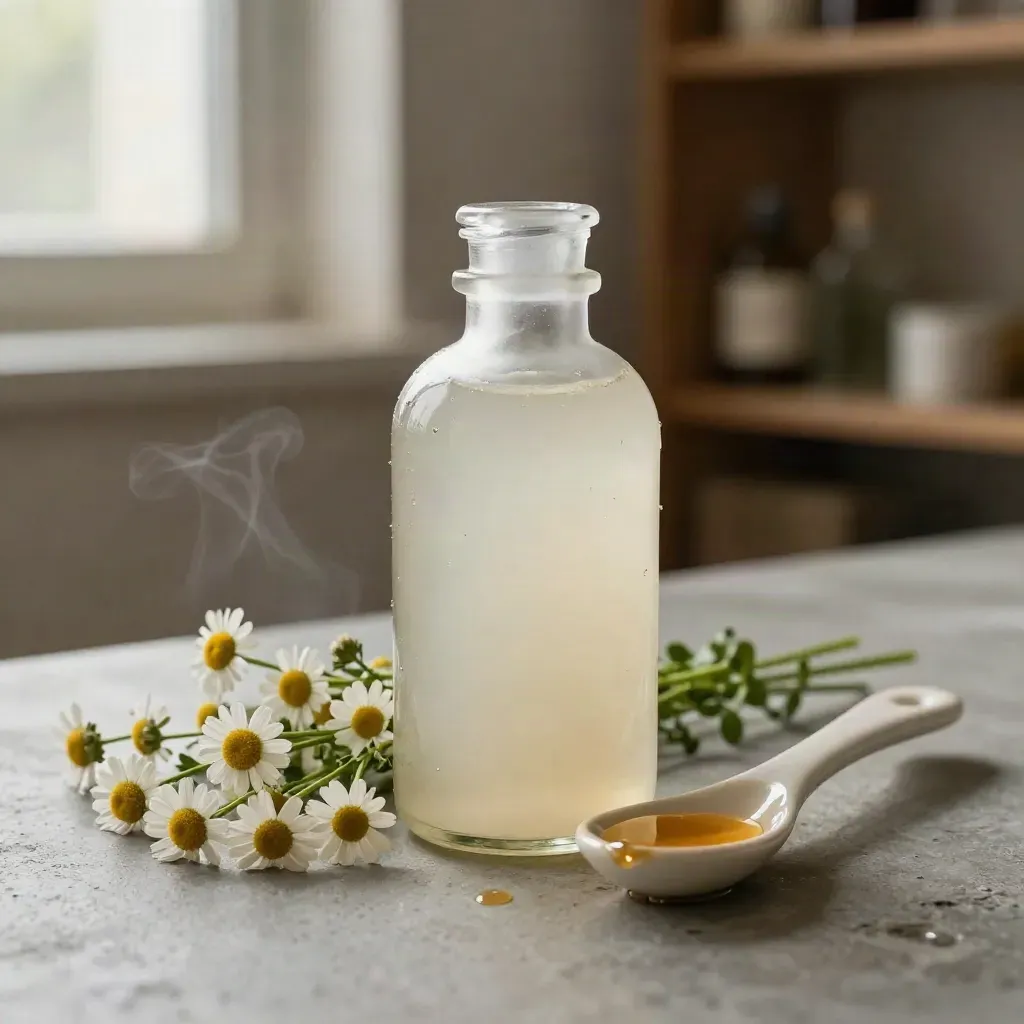
A sweeter option for some herbs and kids
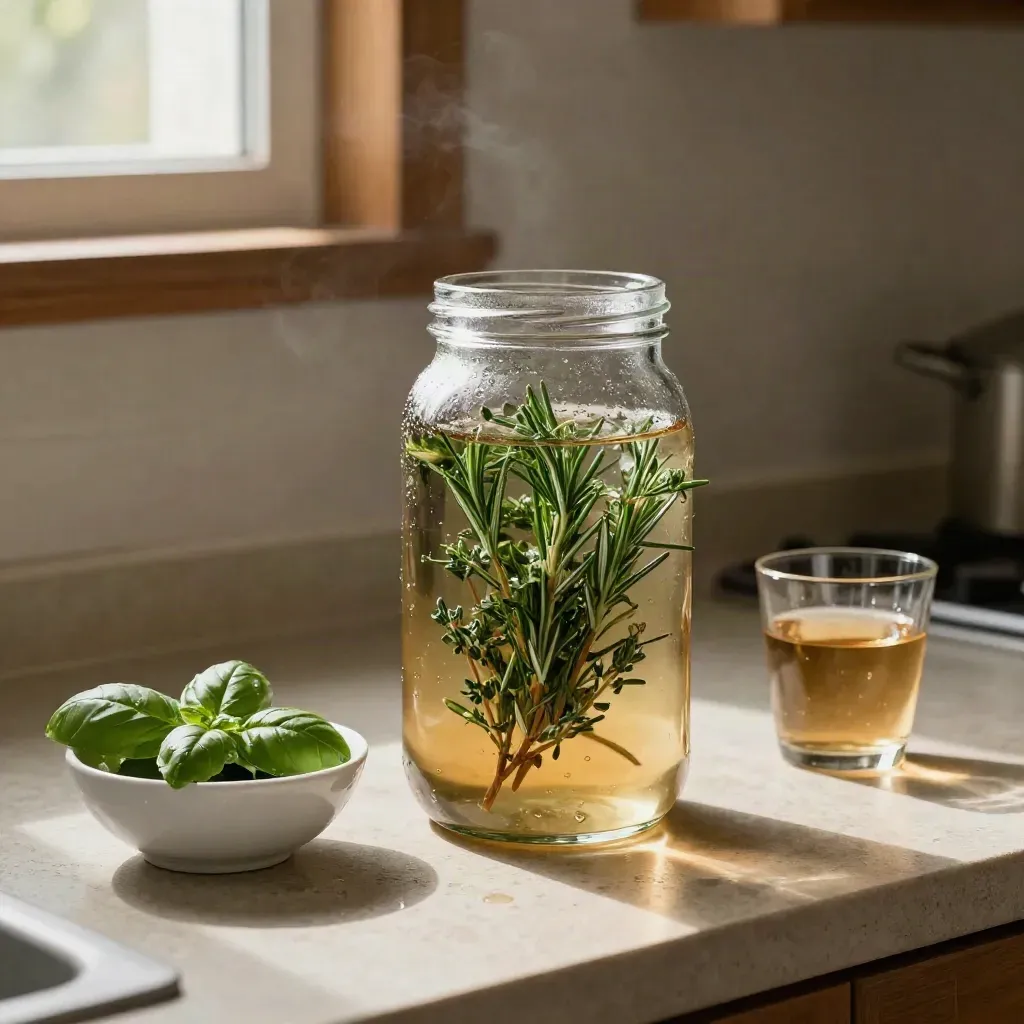
A food-safe pick for kitchen herbs
Questions
Quick answers before visitors choose a product, service, or next step.
Start with the label or chart, then use a small test dose and note how you feel. Ask a clinician if you take medicine.
Most keep for 1 to 3 years if stored cool, dark, and sealed. Toss any jar that smells off or shows mold.
It means 1 part herb to 5 parts liquid by weight and volume, a common way to note strength on the label.
Yes, if local laws allow it. Start with plain oil or alcohol methods, and keep notes on the jar and dose.
No. Some herbs use glycerin or vinegar, but alcohol often pulls more plant compounds from the herb and gives a longer shelf life.
Keep lids tight, stand jars up, and store them in a cool, dark cabinet away from heat and sunlight. Check dates now and then.
Get short emails with new tincture charts, herb glossaries, and storage tips you can use at home.