Understanding the Concept of Attractive Tests
In today's digital age, the concept of attractiveness is often quantified and analyzed using various tools and technologies. These assessments, commonly referred to as "attractive tests," employ advanced algorithms and image recognition techniques to evaluate physical features that are considered desirable. From social media filters to AI-driven apps, understanding these tests can help individuals navigate their self-image and social interactions. Through a deeper comprehension of how these tests function, users can leverage them to gain insights into their appearance and the broader standards of beauty in society. For a comprehensive overview of this intriguing phenomenon, check out the attractive test.
What is an Attractive Test?
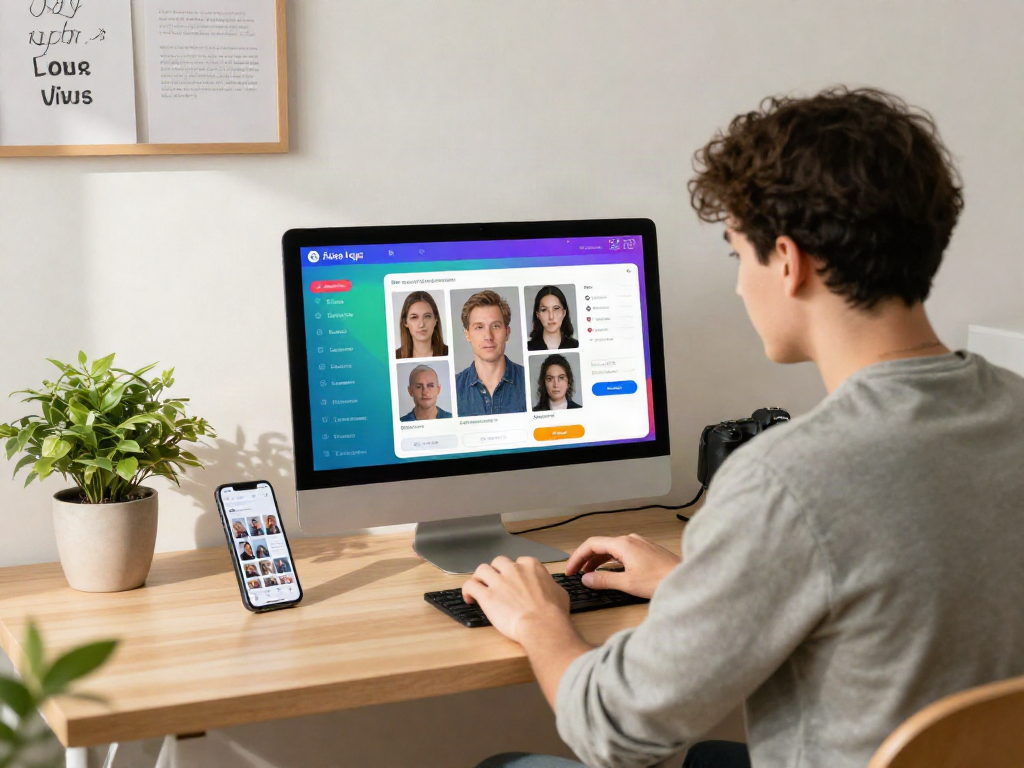
An attractive test is an automated tool designed to assess an individual's facial features based on various beauty metrics. These tests utilize artificial intelligence to provide a score or rating that reflects perceived attractiveness. Users typically upload a photo, and the AI evaluates factors such as facial symmetry, proportions, and the alignment of facial features against established beauty standards. The result is a numerical score that can serve as a feedback mechanism for individuals seeking to understand and improve their attractiveness.
The Science Behind Attractiveness Assessments
Attractiveness assessments are grounded in psychological and sociological research, which suggests that certain physical traits are universally appealing. These traits include facial symmetry, which is often associated with genetic health, and the "golden ratio," a mathematical ratio that defines aesthetically pleasing proportions. Research has shown that people tend to rate faces that align with these principles as more attractive, indicating a biological underpinning to our perceptions of beauty. AI systems are now able to analyze these variables efficiently, making it possible to deliver rapid assessments based on large datasets of human faces.
Common Misconceptions about Beauty Standards
One of the most prevalent misconceptions about beauty standards is that they are static and universal. In reality, attractiveness is highly subjective and culturally varied. Different societies prioritize distinct features, and what is considered attractive in one culture may not hold the same weight in another. Additionally, beauty standards fluctuate over time, influenced by social media trends, celebrity culture, and fashion. Understanding this contextual variability is crucial for users of attractiveness tests, as it underscores the relativity of their results.
How to Take an Effective Attractive Test?
To maximize the effectiveness of an attractive test, it’s essential to approach the process thoughtfully. From selecting the right image to understanding the scoring metrics, several factors can significantly influence the outcomes of these assessments. By following best practices, users can accurately present themselves and better interpret the feedback received from the test.
Choosing the Right Photo for Best Results
The image you choose for an attractiveness test can greatly affect your score. Ideally, the photo should have good lighting, be free of distractions, and capture your face clearly. Avoid using heavily edited or filtered images, as these can skew the results. A straightforward, high-resolution photo that showcases your natural features will yield the most accurate feedback.
Common Mistakes to Avoid When Uploading
- Using low-resolution images that can obscure details.
- Taking photos at awkward angles that misrepresent your features.
- Wearing obstructive accessories like hats or sunglasses.
- Submitting images with heavy makeup or extensive alterations.
By avoiding these common pitfalls, you can ensure that the test reflects your true appearance, enhancing the validity of the assessment.
Understanding the Scoring System and Metrics
Most attractive tests provide scores based on various metrics, typically ranging from numerical values (like 1 to 10) to more detailed breakdowns of specific features. Understanding how these scores are calculated can help you interpret your results more effectively. For instance, a high score in facial symmetry may indicate a strong alignment with conventional beauty standards, while lower scores in other areas could highlight aspects for personal enhancement.
Industry Insights into AI-Powered Attractive Tests
The landscape of AI-powered attractiveness assessments is continuously evolving, driven by advancements in machine learning and image processing technologies. As these tools become more sophisticated, they not only measure physical attributes but also begin to incorporate psychological factors related to self-perception and confidence.
The Evolution of AI in Attractiveness Evaluation
AI technology has progressed significantly, with modern algorithms capable of analyzing thousands of facial landmarks in real-time. Early tools focused merely on basic metrics, but today’s sophisticated systems can assess emotional expressions and even predict social reactions based on perceived attractiveness. This evolution signifies a shift towards more personalized and insightful attractiveness evaluations.
How Algorithms Assess Beauty: Key Factors Considered
Algorithms for attractiveness tests consider a multitude of factors, including:
- Facial Symmetry: The balance of facial features is a crucial metric in beauty assessments.
- Golden Ratio: Proportions that align with this mathematical concept are often deemed attractive.
- Facial Structure: The shape and contour of the jawline, cheekbones, and forehead are evaluated.
- Skin Quality: Clear and smooth skin is frequently associated with youth and health.
- Expression and Emotion: Algorithms can also consider how facial expressions impact perceived attractiveness.
By analyzing these elements, AI can provide a nuanced assessment of attractiveness that goes beyond mere physical appearance.
Case Studies: Successful Attractive Test Implementations
Several popular platforms have successfully integrated AI attractiveness tests into their services. For instance, social media apps that offer filters based on attractiveness principles have seen increased user engagement. Additionally, dating apps that utilize attractiveness scoring to enhance matching algorithms are gaining traction, showcasing the practical applications of these technologies in real-world scenarios.
Benefits of Taking an Attractive Test
Engaging with attractiveness tests can have several benefits that extend beyond simple ratings. For many users, these assessments serve as valuable tools for self-reflection and growth.
Improving Self-Confidence Through Feedback
Receiving feedback about your appearance can significantly influence self-esteem. Many individuals find that understanding how they align with beauty standards helps them appreciate their unique features and motivates them to embrace their individuality. Positive feedback from these tests can foster a greater sense of self-worth, encouraging users to express themselves more confidently.
Understanding Personal Beauty Trends
Attractiveness tests can also illuminate personal beauty trends over time. By regularly testing yourself, you can track changes in your scores and identify which features resonate most with current beauty standards. This self-awareness can guide your grooming and styling choices, helping you to curate your look effectively.
Using Results for Personal Growth and Enhancement
Feedback from attractiveness tests can provide actionable insights for personal development. Users might choose to engage in skincare routines, update their hairstyle, or adjust their makeup techniques based on areas identified for improvement. These assessments can serve as a roadmap for enhancing appearance, leading to increased satisfaction and improved self-image.
Future Trends in Attractive Testing for 2026
The realm of attractiveness testing continues to evolve, with several trends expected to shape the industry in the upcoming years.
Predictions for AI and Image Recognition Advancements
By 2026, advancements in AI will likely lead to even more accurate assessments of beauty. Enhanced image recognition technology will enable algorithms to analyze more complex aspects of attractiveness, including personality traits conveyed through facial expressions and the impact of mood on perceived beauty. This evolution will result in a more holistic understanding of what constitutes attractiveness.
The Rise of Personalization in Beauty Assessments
As the technology improves, personalization will become a key focus in attractiveness tests. Future assessments may offer tailored feedback based on individual preferences and cultural contexts, ensuring that results resonate more profoundly with users. This personalization could lead to a more inclusive understanding of beauty, accommodating diverse perspectives.
Ethical Considerations and Beauty Bias in Testing
With the progression of attractiveness tests, ethical considerations will become paramount. Issues surrounding beauty bias, body positivity, and self-esteem must be addressed to ensure that these tools promote healthy body image rather than perpetuate negative stereotypes. Stakeholders must prioritize ethical standards and inclusivity in the development of attractiveness assessments to safeguard users' mental well-being.
What factors are considered in an attractive test?
Attractive tests typically evaluate features such as facial symmetry, proportions, and overall balance of facial elements, taking into account scientific principles of beauty.
Are AI attractiveness tests accurate?
While AI attractiveness tests can provide valuable insights, their accuracy can vary based on the algorithms used and the quality of input images. They should be viewed as one of many tools for self-reflection.
Can I improve my score on an attractive test?
Yes, many individuals can enhance their ratings by focusing on factors such as skincare, grooming, and hairstyle adjustments based on feedback from the tests.
How often should I take an attractiveness test?
There's no fixed rule, but periodically taking attractiveness tests can help track changes over time and provide ongoing feedback for personal enhancement.
What are the limitations of attractiveness tests?
Attractiveness tests are limited by their subjective nature and the algorithms' inherent biases, which may not account for the full spectrum of beauty across cultures and individual preferences.