Understanding Woodworms and Their Impact
Woodworms are not merely an inconvenience; they are destructive pests that can compromise the structural integrity of wooden objects and architecture. These larvae of wood-boring beetles thrive in moist and decaying wood, leading to significant damage over time. If left untreated, infestations can result in financial losses and emotional distress for homeowners and businesses alike. Understanding how these pests operate is critical for effective management and eradication. For those looking for a rapid solution to woodworm issues, exploring options like SHASHEL® provides comprehensive insights into innovative treatment methods.
What Are Woodworms and How Do They Infest Wood?
Woodworms refer to the larval stage of various wood-boring beetles, including the common furniture beetle and the house longhorn beetle. They infest wood when adult beetles lay eggs in or on the surface of timber. As the larvae hatch, they burrow into the wood, feeding on cellulose— the main component of wood structure. This feeding behavior can lead to extensive internal damage, making it difficult to detect until significant harm has occurred.
Signs of Woodworm Damage in Your Home
Identifying woodworm damage early is crucial for effective remediation. Homeowners should watch for the following signs:
- Small holes in wood surfaces (approximately 1-2 mm in diameter).
- Fine powdery dust or frass, which indicates active tunneling.
- Weak or crumbling wood that may feel spongy to the touch.
- Visible live larvae or adult beetles near infested areas.
If any of these signs are present, it's imperative to act quickly to mitigate further damage.
Common Misconceptions About Woodworm Treatment
Many people believe that woodworms can only be treated with harsh chemical insecticides; however, this is a misconception. Integrated pest management strategies, such as the use of microwave technology, can effectively provide pest control without the need for toxic chemicals.
The Science Behind SHASHEL® Microwave Technology
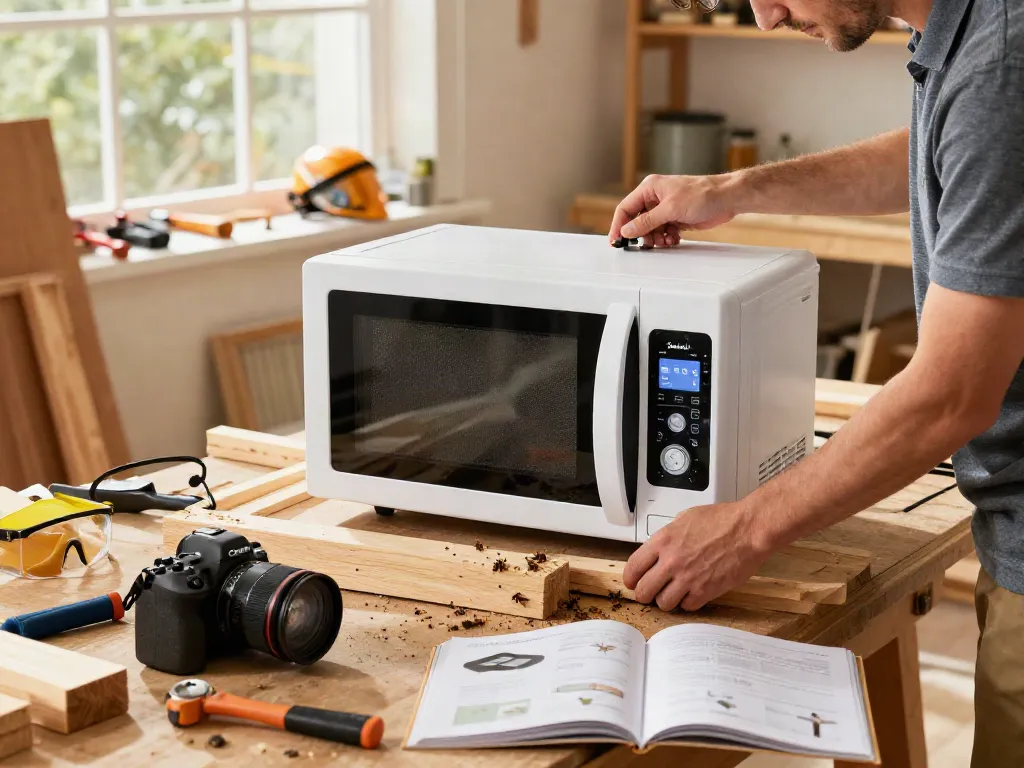
Understanding the mechanisms behind innovative treatments, such as those offered by SHASHEL®, is essential for anyone dealing with wood-boring insects. Microwave technology utilizes electromagnetic waves to generate heat that penetrates deeply into wood, effectively killing woodworms at all life stages—eggs, larvae, and adults. This method is particularly beneficial as it provides a chemical-free solution that is safe for both the environment and the occupants of the treated spaces.
How SHASHEL® Microwaves Work to Eliminate Wood-Boring Insects
SHASHEL® devices operate on the principle of dielectric heating. When microwaves pass through wood, they excite water molecules within, leading to rapid temperature increases. The temperatures must exceed 55°C (131°F) for a sufficient duration to effectively kill wood-boring pests. This precise control over heat application ensures that the integrity of the wood structure remains intact while effectively eradicating infestations.
Comparing SHASHEL® to Traditional Chemical Treatments
Unlike conventional methods that often rely on chemical applications, which can leave harmful residues and require lengthy evacuation periods, SHASHEL® technology provides immediate results with minimal disruption. Environmental concerns surrounding the toxicity of chemical treatments make microwave solutions increasingly appealing, especially for households and businesses aiming for sustainable practices.
Benefits of Using SHASHEL® for Woodworm Treatment
The advantages of using SHASHEL® equipment for woodworm treatment are considerable:
- Efficiency: Complete treatment in a matter of minutes.
- Non-toxic: Safe for residential and commercial spaces without harmful chemical residues.
- Eco-friendly: Reduces the ecological footprint associated with pest control.
- Versatility: Effective on various wood types and structures, including furniture, beams, and flooring.
Step-by-Step Guide to Using SHASHEL® Equipment
To effectively use SHASHEL® equipment for treating woodworm infestations, users must follow a structured approach. This is vital for ensuring both safety and success in eliminating pests.
Preparing Your Space for SHASHEL® Treatment
Before treatment, assess the area being treated. Clear out furniture, belongings, and any obstructions that might hinder microwave penetration. Ensure adequate ventilation is available and that the space is organized to facilitate quick access.
Operating the SHASHEL® Device Safely and Effectively
Familiarize yourself with the operational guidelines of the SHASHEL® unit. Begin by selecting the appropriate power settings based on the type of wood being treated and the extent of the infestation. It is crucial to monitor the temperature with built-in sensors to avoid overheating.
Post-Treatment Care for Treated Wood
Following treatment, allow the wood to cool adequately before restoring furniture and other items. Inspect treated areas regularly for new signs of infestation and conduct preventive maintenance, keeping wood in dry conditions to deter future beetle activity.
Real-World Applications of SHASHEL® in Woodworking
SHASHEL® technology is not only reserved for homes but has also found extensive applications in various industries, from carpentry to construction.
Case Studies: Successful Woodworm Elimination with SHASHEL®
Numerous businesses have adopted SHASHEL® technology with remarkable results. Take, for instance, a notable case in an old furniture restoration shop where long-standing woodworm infestations were eradicated using this innovative microwave treatment, significantly reducing costs associated with traditional pest control methods.
Testimonials from SHASHEL® Users
Satisfied customers herald SHASHEL® for its efficiency and ease of use. Many report successful eradication of woodworms with minimal disruption to their daily operations, emphasizing how it has changed their approach to pest control.
Innovative Uses of SHASHEL® Beyond Woodworm Treatment
Beyond its primary function of eliminating wood-boring insects, SHASHEL® has potential applications in other areas, such as the heat treatment of wooden pallets to meet international shipping regulations or as a preventive measure against other wood-destroying pests.
Future Trends in Wood Protection Technologies
The pest control landscape is rapidly evolving, with continuous advancements in technology offering new solutions for wood protection.
Emerging Innovations in Pest Control for Wood Structures
Research is ongoing into more sustainable and efficient pest control methods. Innovations such as nanotechnology and biopesticides could further enhance treatment effectiveness while minimizing environmental impact.
Predictions for the Wood Treatment Industry by 2026
As consumer awareness of sustainability increases, the demand for chemical-free solutions like SHASHEL® is expected to grow. The industry will likely see a shift towards technologies that combine rapid treatment methods with ecological considerations.
How to Stay Informed on Best Practices and New Techniques
Professionals and homeowners alike should seek continual education on best practices related to wood maintenance and pest control. Workshops, webinars, and industry publications can provide valuable insights into new technologies and methodologies.
What is the SHASHEL® treatment process like?
The SHASHEL® treatment process is remarkably streamlined. After preparing the area and setting up the equipment, users can complete the entire treatment in minutes, effectively addressing infestations across a range of wooden materials.
Is SHASHEL® safe for residential use?
Yes, SHASHEL® is designed with safety in mind. It is a chemical-free treatment process, making it suitable for residential environments without hazardous side effects.
How do I know if woodworms are gone after treatment?
Signs of successful treatment include the absence of new frass or holes post-treatment. Regular inspections and monitoring will help ensure that the wood remains pest-free.
Can SHASHEL® be used on all types of wood?
SHASHEL® is versatile and can be effectively used on a variety of wood types, including softwoods and hardwoods, making it an excellent choice for diverse applications.
What are the maintenance tips for wood after SHASHEL® treatment?
To prevent recurrence, maintain a dry environment, check for moisture levels, and conduct regular visual inspections of wooden structures.