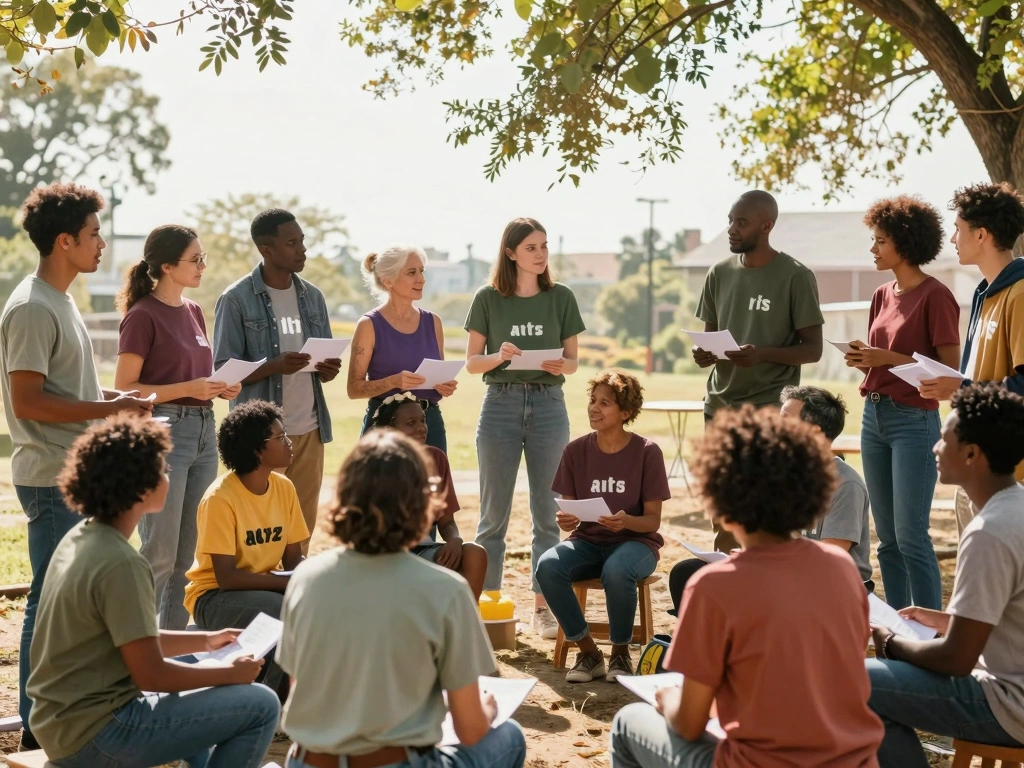
Understanding the Role of Social Clubs in Community Building
Social clubs play a pivotal role in fostering community engagement, offering a platform for individuals to connect, share interests, and build meaningful relationships. These clubs serve as microcosms of society, where members can participate in various activities, from social events to educational programs, thereby enhancing their sense of belonging. When exploring options, bedfordsocialclub.com provides comprehensive insights into how social clubs can positively impact community dynamics.
Defining Social Clubs and Their Purpose
Social clubs are organized groups centered on shared interests, hobbies, or cultural backgrounds, providing members with opportunities to engage socially. They can take many forms, such as sports clubs, hobbyist groups, and professional organizations. The primary purpose of these clubs is to cultivate camaraderie among members, facilitate networking, and promote mutual support. Over time, social clubs have evolved to adapt to the changing societal landscape, which now demands inclusivity and diversity.
Benefits of Community Engagement through Social Clubs
The benefits of participating in social clubs are manifold:
- Networking Opportunities: Members can meet individuals from various backgrounds, expanding their professional and personal networks.
- Skill Development: Clubs often organize workshops and events that allow members to learn new skills or hone existing ones.
- Emotional Support: These environments foster emotional connections, helping members combat isolation and loneliness.
- Community Involvement: Many clubs engage in local charitable activities, enhancing their impact on the community.
Challenges Faced by Modern Social Clubs
Despite their advantages, social clubs also face significant challenges:
- Declining Membership: As people become busier, clubs may struggle to maintain active memberships.
- Engagement Issues: Keeping members engaged and interested in club activities can sometimes be problematic.
- Competition from Online Platforms: The rise of social media and online communities can draw potential members away from traditional clubs.
Innovative Strategies for Enhancing Engagement at bedfordsocialclub.com
To thrive in today’s environment, social clubs must implement innovative strategies to boost engagement and attract new members. Some effective approaches include:
Leveraging Local Events for Increased Participation
Organizing local events is a proven method for increasing visibility and attracting new members. By hosting workshops, community service events, or social outings, clubs can draw in individuals who are looking for activities that connect them with others. Collaborating with local businesses for sponsorship or support can also elevate these events and provide additional resources.
Utilizing Social Media to Foster Community Relationships
In the digital age, a robust online presence is essential for effective engagement. Social media platforms allow clubs to share updates, promote events, and showcase member achievements. This not only enhances visibility but also provides a space for members to interact, share experiences, and promote a sense of community.
Creating Inclusive Programming for Diverse Audiences
Inclusion is key to the longevity of social clubs. By offering diverse programming that caters to various interests and demographics, clubs can attract a broader range of members. This could include multilingual events, cultural celebrations, or interest-based groups that appeal to different segments of the community.
Measuring Success: Metrics for Community Engagement
To assess the effectiveness of engagement strategies, social clubs should establish clear metrics for success. These metrics can provide insights into member satisfaction and areas for improvement.
Tracking Attendance and Member Satisfaction
Regularly monitoring attendance at events and gathering feedback through surveys can help clubs understand member interests and preferences. Analyzing this data helps identify trends and inform future programming.
Utilizing Feedback for Continuous Improvement
Engaging with members to solicit their opinions can lead to continuous improvement. Clubs should create channels for members to provide suggestions, which can be invaluable for tailoring future events and activities.
Establishing Key Performance Indicators for Engagement
Implementing Key Performance Indicators (KPIs) allows clubs to quantitatively measure their engagement efforts. Some potential KPIs include membership growth rates, event attendance, and member retention rates.
Real-World Examples of Successful Community Engagement
Examining successful case studies from social clubs can provide valuable lessons for enhancing community engagement.
Case Studies from Successful Social Clubs
For instance, the Local Arts Club in Denver increased membership by 40% over two years by offering free art workshops to the community, which attracted both seasoned artists and novices alike. This initiative not only fostered creativity but also strengthened community bonds.
Lessons Learned and Best Practices
Some common best practices derived from successful clubs include: offering varied programming, maintaining consistent communication with members, and adapting based on member feedback.
Adapting Strategies for Local Context
It is essential that clubs tailor their strategies to the unique context of their community. Understanding local demographics, preferences, and available resources will allow clubs to create programs that resonate with potential members.
Future Trends in Community Engagement for Social Clubs
Looking ahead, social clubs must prepare for emerging trends that will shape community engagement.
Emerging Technologies and Their Impact on Engagement
The integration of technology, such as Virtual Reality (VR) or Artificial Intelligence (AI), into club activities could transform how members interact and engage. These technologies can provide immersive experiences and enhance opportunities for remote participation.
Predictions for Community Dynamics in 2026 and Beyond
As society continues to evolve, community dynamics will shift significantly. Increased urbanization and the blending of cultures will require social clubs to be adaptable and culturally sensitive to remain relevant.
Preparing for Changes in Social Interaction Patterns
Finally, clubs must remain vigilant about changing social interaction patterns, particularly in light of recent global events. Understanding how these changes impact member preferences can help clubs enhance their approaches to engagement and community building.