Understanding Esophageal Cancer: Symptoms and Risk Factors
Esophageal cancer is a serious health concern that can significantly affect patients' quality of life. It occurs when cells in the esophagus undergo mutations, leading to uncontrolled growth and the formation of tumors. With rising incidence rates in various regions, understanding the symptoms, potential risk factors, and the importance of early diagnosis is crucial. When exploring options, Esophageal cancer specialists UAE provide comprehensive insights and treatment plans tailored to individual needs.
What are the Common Symptoms of Esophageal Cancer?
Identifying the symptoms of esophageal cancer is essential for early detection and treatment. Some common symptoms include:
- Difficulty swallowing (dysphagia)
- Unexplained weight loss
- Persistent chest pain or discomfort
- Chronic cough or hoarseness
- Indigestion or heartburn
- Vomiting blood or passing black stools
These symptoms can often be mistaken for less severe conditions, which is why it is crucial to consult healthcare professionals if any of these signs persist.
Identifying Risk Factors for Esophageal Cancer
There are several known risk factors associated with esophageal cancer, which can help guide individuals in understanding their own risk. Some of these include:
- Age: Most cases are diagnosed in individuals over 55.
- Gender: Men are significantly more likely to develop esophageal cancer than women.
- Tobacco use: Smoking or chewing tobacco increases the risk considerably.
- Alcohol consumption: Heavy drinking is a notable risk factor.
- Obesity: Excess weight, especially around the abdomen, is linked to esophageal cancer.
- Chronic acid reflux: Conditions like gastroesophageal reflux disease (GERD) can lead to Barrett's esophagus, raising the risk of esophageal cancer.
How Lifestyle Choices Influence Cancer Risks
Making informed lifestyle choices can significantly affect the likelihood of developing esophageal cancer. Adopting a healthy diet rich in fruits and vegetables, maintaining a healthy weight, and avoiding tobacco and excessive alcohol can mitigate risks. Regular exercise is also recommended to maintain overall health and wellness, further decreasing the chances of cancer development.
Diagnosis: How Are Esophageal Cancer Cases Evaluated?
Accurate diagnosis is key in effectively managing esophageal cancer. A combination of medical history, physical examinations, and specialized tests are employed to confirm a diagnosis and understand the disease's stage.
Tests and Procedures Used for Diagnosis
Diagnosis of esophageal cancer typically involves several tests, including:
- Endoscopy: A procedure where a thin, flexible tube with a camera is inserted through the throat to visualize the esophagus and take tissue samples.
- Biopsy: Samples of suspected tissue are examined for cancerous cells.
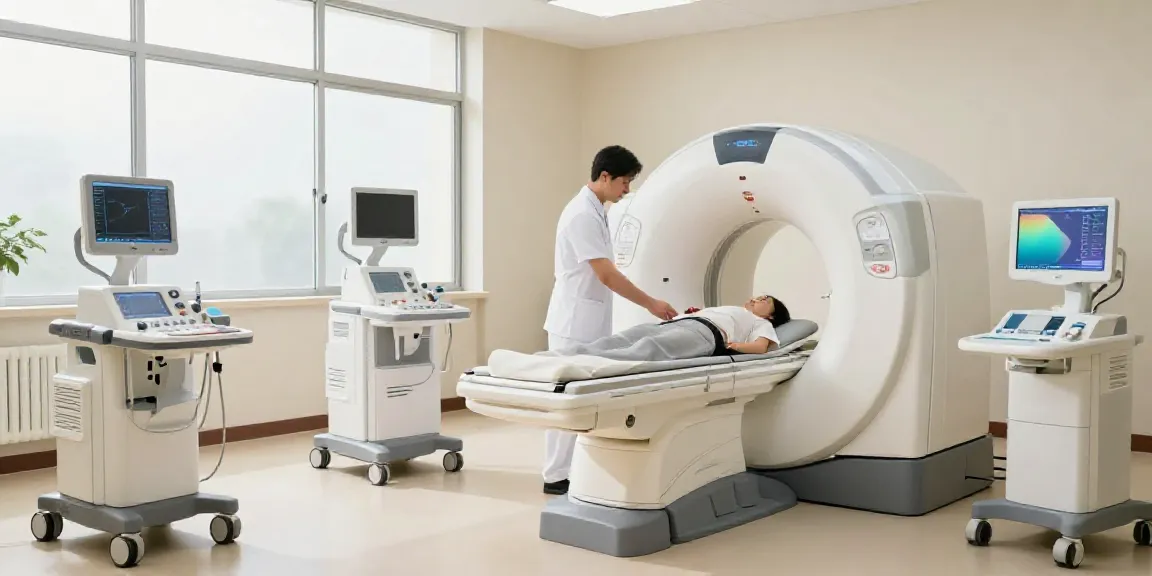
- Imaging tests: CT scans, PET scans, and MRIs help determine the cancer's location and spread.
These diagnostic tools are vital in developing an accurate treatment plan tailored to the patient’s condition.
Importance of Staging in Esophageal Cancer
Staging is essential as it determines the extent of cancer spread and influences treatment options. The stages range from Stage 0 (localized cancer) to Stage IV (advanced cancer that has spread to other parts of the body). Knowing the stage helps doctors plan the most effective treatment strategies.
Understanding Pathology Reports and Their Implications
After a biopsy, pathology reports provide crucial information about the cancer type, grade, and specific markers that may influence treatment decisions. Understanding these reports enables patients and their families to engage meaningfully in conversations about treatment options and expected outcomes.
Treatment Options: Navigating Your Care Journey
Once a diagnosis of esophageal cancer is confirmed, patients may feel overwhelmed by the variety of treatment options available. The treatment plan typically depends on the cancer's stage, location, and the patient's overall health.
Overview of Treatment Modalities for Esophageal Cancer
Common treatment approaches include:
- Surgery: In cases where the cancer is localized, surgical intervention might be the most effective option. This can include esophagectomy, where part or all of the esophagus is removed.
- Radiation therapy: This may be used in conjunction with surgery or as a standalone treatment to shrink tumors.
- Chemotherapy: Often used to target cancer cells throughout the body, chemotherapy may be administered before or after surgery.
- Targeted therapy: These drugs target specific characteristics of cancer cells, providing a more personalized treatment approach.
- Immunotherapy: This treatment helps boost the body's immune response against cancer cells.
Benefits of a Multidisciplinary Approach to Treatment
A multidisciplinary approach is pivotal in esophageal cancer management, involving a team of specialists such as surgeons, oncologists, and nutritionists. This collaborative effort ensures comprehensive care, addressing all aspects of the patient's health and treatment preferences.
Innovative Technologies in Cancer Treatment
Advancements in medical technology continue to improve the effectiveness of esophageal cancer treatments. Techniques such as robotic surgery, which enables more precise procedures with smaller incisions, and targeted therapies are examples of how technology is enhancing patient outcomes.
Selecting the Right Esophageal Cancer Specialist in UAE
Choosing the right specialist for esophageal cancer can be a daunting task, but several factors can guide patients in making an informed decision. The right specialist can significantly impact treatment outcomes and overall experience.
Key Qualities to Look for in a Specialist
When selecting a specialist, consider the following qualities:
- Experience and specialization in esophageal cancer treatment
- Hospital affiliations with reputable cancer centers
- Positive patient reviews and outcomes
- Availability of a multidisciplinary team
- Active involvement in research and clinical trials
When to Seek a Second Opinion from Experts
It is often advisable for patients to seek a second opinion, especially when diagnosed with cancer. A second opinion can provide reassurance, alternative treatment options, or confirm the initial diagnosis, empowering patients with additional insights.
Questions to Ask During Your First Appointment
Preparing questions for your first appointment can help clarify your treatment plan and expectations. Some important questions include:
- What stage is my esophageal cancer?
- What treatment options are available, and what do you recommend?
- What are the potential side effects of these treatments?
- How will my treatment be monitored?
- Are there clinical trials available for my condition?
Preventive Measures and Supportive Care
While some risk factors for esophageal cancer cannot be changed, there are preventive measures individuals can take to reduce their risk and improve their overall well-being.
Effective Strategies for Reducing Esophageal Cancer Risks
Simple lifestyle changes can make a big difference in lowering the risk of esophageal cancer. These include:
- Eating a balanced diet rich in fruits, vegetables, and whole grains
- Limiting intake of processed foods, red meats, and high-sugar items
- Maintaining a healthy weight and exercising regularly
- Avoiding tobacco and limiting alcohol consumption
- Managing chronic conditions like GERD with the help of a healthcare provider
Importance of Nutritional Support and Counseling
Nutritional support during treatment can alleviate side effects and improve recovery. Working with a dietitian can help patients develop a tailored eating plan that meets their needs, ensuring they receive essential nutrients to support their treatment and recovery.
Connecting with Support Groups and Resources
Participating in support groups can provide emotional assistance and valuable information for patients and families. Connecting with others who understand the challenges of living with cancer can enhance the overall treatment experience.
What Should I Know About Managing Treatment Side Effects?
Managing side effects effectively is crucial for maintaining quality of life during cancer treatment. Patients should communicate openly with their healthcare team about any side effects they experience, allowing for adjustments in their treatment plan or additional supportive care.
How Can Family Support Enhance Recovery?
Family involvement can significantly influence recovery from esophageal cancer. Providing emotional support, assisting with daily tasks, and attending medical appointments together can foster a nurturing environment that encourages healing and coping.