Understanding CNC Machining in Aerospace
CNC (Computer Numerical Control) machining has revolutionized the aerospace industry, enabling manufacturers to produce high-precision components necessary for modern aircraft and spacecraft. Since its inception, CNC technology has evolved to meet the increasing demands for accuracy, efficiency, and sustainability. Companies like Honscn have been at the forefront, providing customized CNC machining services tailored to the unique needs of aerospace applications. When exploring options, leading aerospace cnc parts manufacturers offer insights into the capabilities and advancements that shape this sector.
What is CNC Machining?
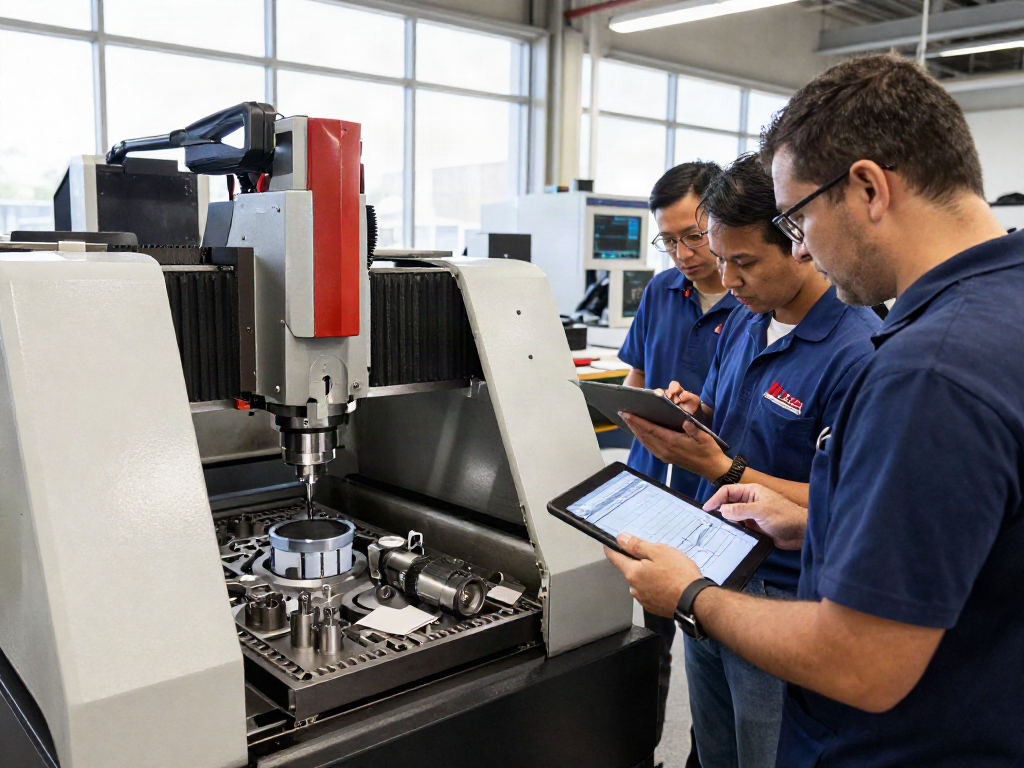
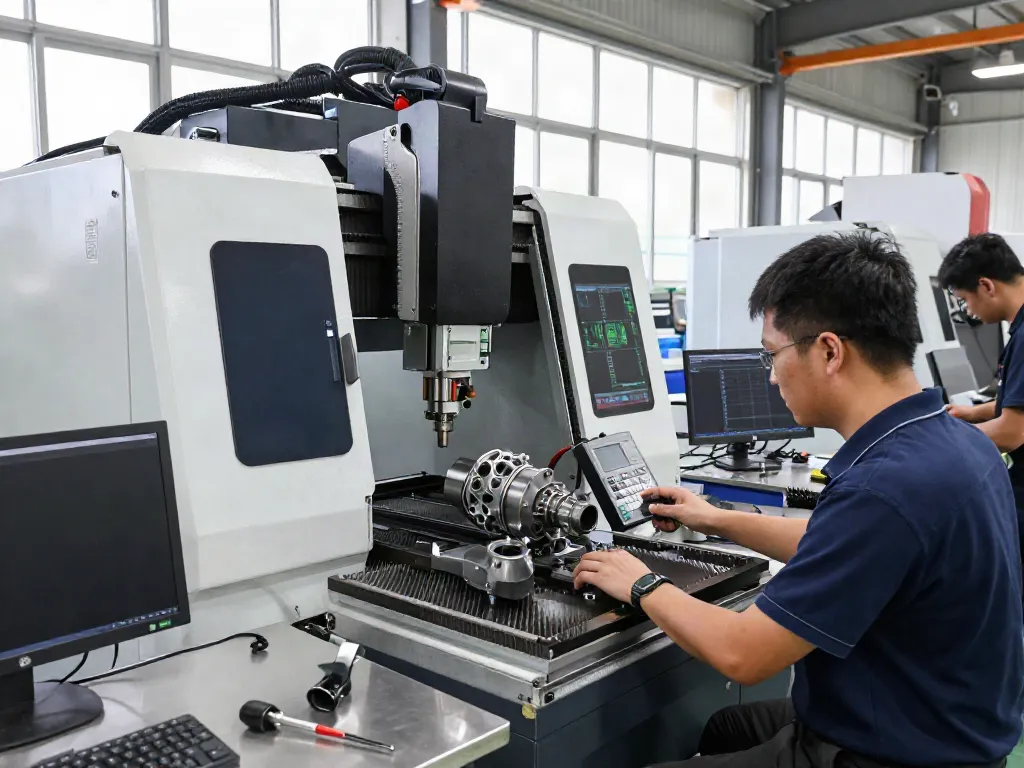
CNC machining refers to the automated process of controlling machine tools through a computer system. This technique facilitates the production of intricate parts with high precision through subtractive manufacturing methods. Using programmed commands, CNC machines can accurately carve out components from metal or plastic materials, making it ideal for the rigorous standards required in aerospace manufacturing.
History and Evolution of CNC Technology
The journey of CNC technology began in the 1940s and 1950s, evolving from early numerical control (NC) methods built on punched tape programming. The significant improvements in computing power and software sophistication during the late 20th century led to the introduction of more advanced CNC systems. Now, operators can execute complex designs, thanks to innovations like multi-axis machining and robotic integration.
Importance of CNC Machining in Aerospace
The aerospace industry mandates precision and reliability. CNC machining offers several benefits that align with these needs:
- High Precision: Components such as engine housings and structural parts require tight tolerances, which CNC machining provides.
- Scalability: From rapid prototyping to mass production, CNC systems are adaptable to different production scales.
- Consistency: Automated processes reduce the risk of human error, ensuring that each part meets strict specifications.
Key Benefits of Choosing Leading Aerospace CNC Parts Manufacturers
Precision and Quality Assurance
One of the key advantages of working with top aerospace CNC parts manufacturers is their unwavering commitment to quality control. These companies implement rigorous testing and validation protocols to ensure that each component meets stringent industry standards. This quality assurance is paramount in aerospace applications, where any failure can lead to catastrophic consequences.
Cost-Effective Solutions for Aerospace Prototyping
While precision is essential, cost-efficiency remains a critical consideration for aerospace manufacturers. Leading CNC manufacturers leverage advanced technologies to optimize the production process, reducing material waste and labor costs. This approach not only lowers expenses but also shortens the overall development timeline, enabling quicker market entry for new aerospace projects.
Faster Turnaround Times in Production
In the highly competitive aerospace sector, speed is of the essence. CNC machining allows for rapid prototyping and production, facilitating quick adjustments based on feedback or design changes. This agility helps aerospace companies stay ahead in a fast-paced market, responding effectively to emerging trends and client demands.
Common Materials Used in Aerospace CNC Machining
Metal Materials: Aluminum, Titanium, and More
Metals play a pivotal role in aerospace applications due to their strength and weight characteristics. Here are some commonly used metals in CNC machining for aerospace:
- Aluminum: Known for its lightweight and excellent strength-to-weight ratio, aluminum is frequently used in aircraft structures.
- Titanium: Valued for its high corrosion resistance and ability to withstand extreme temperatures, titanium is often found in engine components.
- Steel: With its robust durability, steel is commonly used in parts requiring high strength, such as landing gears.
Plastic Materials: Benefits for Lightweight Components
In addition to metals, various plastic materials are used in aerospace applications, particularly where weight reduction is critical. Some notable plastics include:
- PP (Polypropylene): Lightweight and resistant to chemical stress.
- PEEK (Polyether ether ketone): Offers high thermal stability and mechanical strength.
- POM (Polyoxymethylene): Provides excellent dimensional stability, making it ideal for precise components.
Material Properties Impacting Aerospace Applications
Understanding the properties of different materials is essential for selecting the right ones for specific aerospace applications. Factors such as tensile strength, fatigue resistance, and thermal stability are critical in ensuring the longevity and reliability of aerospace components.
Choosing the Right Aerospace CNC Parts Manufacturer
Evaluating Certifications and Industry Standards
When selecting a CNC parts manufacturer, it is vital to ensure they adhere to industry standards such as AS9100 and ISO 9001. These certifications indicate a commitment to quality management, ensuring that the manufacturer meets the rigorous requirements of the aerospace industry.
Assessing Technological Capabilities and Expertise
Furthermore, it is essential to evaluate a manufacturer’s technological capabilities. Advanced CNC machinery, automation, and continuous investment in R&D reflect a manufacturer’s commitment to innovation and quality. Manufacturers who stay at the forefront of technology can offer more efficient and precise solutions.
Understanding Client Testimonials and Case Studies
Lastly, reviewing client testimonials and case studies can provide insights into a manufacturer’s performance and reliability. Successful partnerships and satisfied clients are indicators of a company's ability to deliver quality aerospace components consistently.
Future Trends in Aerospace CNC Machining
Emerging Technologies and Innovations
The future of aerospace CNC machining is poised for exciting developments. Innovations such as additive manufacturing and hybrid machining technologies are beginning to complement traditional CNC methods, allowing for even greater design flexibility and efficiency.
Impact of AI and Automation on Manufacturing
Artificial Intelligence and automation are set to transform how aerospace components are produced. By enhancing predictive maintenance and optimizing workflows, manufacturers can reduce downtime and improve productivity while maintaining high quality.
Sustainability Practices in Aerospace Manufacturing
With increasing emphasis on sustainability, the aerospace industry is adopting eco-friendly practices. Manufacturers are exploring ways to minimize waste and energy consumption during CNC machining processes, thereby reducing their overall environmental impact.