Understanding the AI Token Economy
The AI Token Economy represents the integration of artificial intelligence capabilities with a structured ecosystem of tokens that facilitate various operations, measurements, and rewards. This burgeoning economy relies heavily on the underlying infrastructure that powers AI factories, ensuring that every computational task can be performed efficiently and at scale. Tokens serve as the units of value in this framework, measuring everything from processing power to the energy consumed during computation. As industries increasingly adopt AI technologies, understanding the dynamics of this economy becomes crucial for anyone looking to leverage its potential. When exploring options, AI Token Economy provides comprehensive insights into how power and infrastructure shape AI operations.
What is the AI Token Economy?
The AI Token Economy refers to the ecosystem in which AI models efficiently communicate, process, and generate output through a structured use of tokens. These tokens are not cryptocurrencies; instead, they represent computational resources used in various applications, similar to how electricity is measured in kilowatt-hours. Each time an AI model processes data, it consumes tokens, which directly correlate to the computational workload performed. Understanding this economy involves recognizing how these tokens facilitate the operational and monetary aspects of AI ventures, highlighting the interplay between energy consumption and AI performance.
Key Components of AI Token Structures
- Tokens: Serve as the basic units measuring AI operations and workloads.
- Infrastructure: The power supply and computing resources required to run AI models efficiently.
- Participation Plans: Structures that allow individuals and organizations to contribute to AI infrastructure through power plans.
- Reward Systems: Mechanisms that provide incentives to contributors based on their power support and the operational performance of AI factories.
The Role of Power Infrastructure in AI Token Dynamics
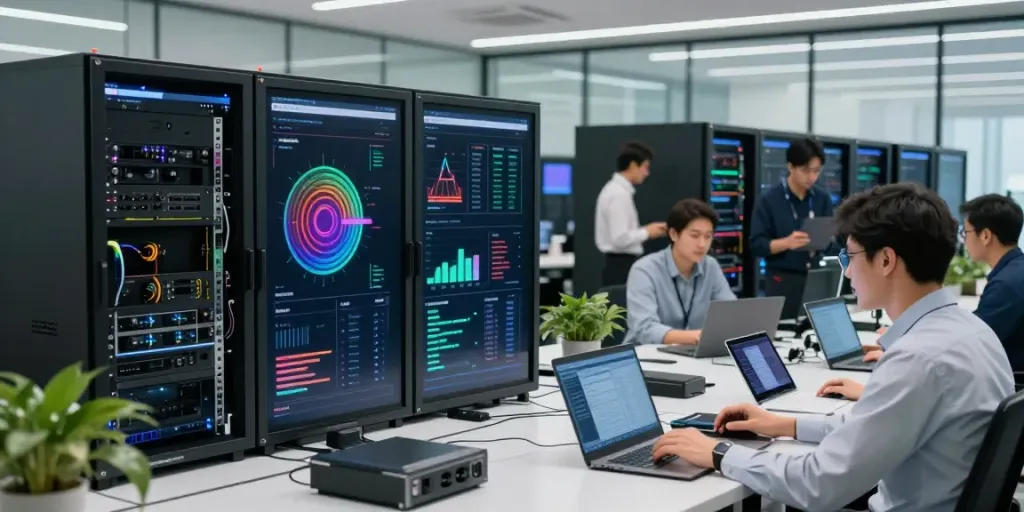
Power infrastructure is the backbone of the AI Token Economy, ensuring that AI factories can operate effectively. High-density GPU computations require substantial electrical power, making electricity not just a utility but a critical resource for AI operations. The ability to manage power smoothly and allocate it according to demand is vital for optimizing AI performance. This is where AI infrastructure power plans come into play, providing a structured method for individuals and organizations to invest in and support the necessary power resources.
Participating in the AI Token Economy
Participation in the AI Token Economy offers multiple avenues for engagement, ranging from individual contributions to sizable institutional investments. By understanding how to get involved, participants can optimize their contributions and reap the rewards associated with AI tokenization.
How to Join the AI Token Economy
Joining the AI Token Economy typically involves selecting a participation plan that aligns with your capacity to contribute power to AI infrastructure. Participants must navigate through several options available through platforms like 51 AIpower, where they can choose plans based on their power needs, budget, and expected engagement. Each plan provides a clear structure for how participants' contributions can support operational AI workloads.
Your Role as a Contributor in AI Infrastructure
As a contributor in the AI Token Economy, your role centers around supporting the power infrastructure that sustains AI operations. This can involve enrolling in power plans that facilitate the consumption of electricity by applying computational tasks within AI factories. Your contributions are measured based on the amount of power you support, and your rewards are calculated based on the performance metrics of the AI workloads you help enable.
Benefits of Participating in AI Token Plans
- Revenue Generation: Participants can earn rewards based on the operational efficiency of AI workloads associated with their power contributions.
- Scalability: Engagement in these plans allows for scalability in power support, adapting to the growing demands of AI technologies and models.
- Transparency: Participants receive clear metrics on how their contributions impact AI operations, promoting an understanding of the value they provide.
Power Plans and Their Impact on AI Operations
Power plans are specifically designed to align energy resources with AI operational needs, creating a synchronized environment where efficiency can flourish. Different plans cater to varying levels of power support, making it possible for a range of contributors to participate meaningfully.
Overview of AI Infrastructure Power Plans
AI Infrastructure Power Plans consist of several tiers, each designed to match the power and operational needs of different AI workloads. These plans not only allow participants to provide power but also enable them to receive compensation for their contributions based on usage metrics recorded over designated periods. This structured approach ensures that power resources are allocated effectively to support the most demanding AI tasks.
Calculating Contribution Rewards in AI Token Dynamics
Reward calculations in the AI Token Economy are based on several factors, including the amount of electricity supplied, the corresponding AI workloads supported, and the overall performance of the infrastructure. Each settlement period sees a detailed analysis of power contributions, allowing participants to gauge their effectiveness and adjust their engagement strategies accordingly. This calculation of rewards hinges on documented performance metrics, incentivizing participants to maximize their contributions.
Optimizing Power Allocation for AI Factories
Effective power allocation helps AI factories manage workload demands efficiently. By leveraging real-time data and feedback mechanisms, participants can optimize their power support to ensure that AI operations run smoothly and meet the necessary performance standards. This optimization can include shifting power contributions based on demand spikes or reallocating resources to where they can be most effective.
Challenges and Solutions in AI Token Economy
As with any burgeoning economy, the AI Token Economy is not without its challenges. Addressing structural limitations and misconceptions is essential for participants looking to maximize their engagement and contributions.
Common Misconceptions about AI Tokens
Many individuals equate AI tokens with cryptocurrencies, leading to confusion about their function and utility. It’s important to clarify that AI tokens are not a form of currency but rather units measuring computational usage within AI systems. This distinction is crucial for understanding their role in the broader AI Token Economy and how participants can effectively engage with them.
Addressing Infrastructure Limitations
Infrastructure limitations can hinder the growth of the AI Token Economy. Participants must be aware of the challenges related to electrical supply, computational capacity, and scalability. Solutions often involve strategic partnerships between power suppliers and AI infrastructure operators to ensure that all parties meet the collective demands of the ecosystem.
Best Practices for Effective Participation
- Conduct Thorough Research: Understand the structure of the AI Token Economy and how power plans can align with personal or organizational goals.
- Choose the Right Plan: Select a power plan that meets your contribution capabilities while aligning with AI workload demands.
- Monitor Performance: Regularly review the performance metrics associated with your contributions, adjusting your strategies as needed to maximize rewards.
Future Trends in the AI Token Economy
Looking ahead, the AI Token Economy is poised for significant evolution. As more industries adopt AI technologies, the demand for structured tokenized systems will likely grow, driving changes in regulations, technology, and user engagement.
Predicted Developments for 2026 and Beyond
By 2026, innovations in AI technology will likely lead to refined power management techniques, enhancing the efficiency of AI factories. This evolution will further integrate sustainability into power plans, focusing on renewable energy sources that will appeal to environmentally conscious participants. Additionally, platforms will enhance user interfaces, making participation more accessible and intuitive.
The Evolving Nature of AI Tokens and Technology
The landscape of AI tokens will continue to evolve with advancements in AI and machine learning technologies. As models become more complex, the requirements for power support and token management will also shift. Keeping pace with these developments will be crucial for both participants and stakeholders in the AI Token Economy.
Impact of Global Regulations on AI Token Dynamics
Regulatory changes may significantly impact how AI tokens are structured and managed. As governments worldwide begin to acknowledge the implications of AI technologies on energy consumption and economic models, new guidelines could emerge, affecting everything from how contributions are calculated to how rewards are distributed.
What are the advantages of participating in the AI Token Economy?
Participating in the AI Token Economy offers several advantages, including access to technological innovations, the ability to contribute to AI advancements, and potential financial rewards based on operational efficiencies. Participants can also be part of a transformative movement towards sustainable AI practices.
How can I calculate my potential rewards from AI token contributions?
Calculating potential rewards involves understanding the metrics associated with your power contributions. Platforms typically provide analytical tools to help participants monitor their contributions and identify how workloads translate into rewards over time.
What role do power plans play in AI token operations?
Power plans are essential in coordinating the supply of electricity needed to support AI operations. They provide structured opportunities for participants to contribute to the AI infrastructure and receive recognition for their contributions based on performance metrics.
Who can participate in the AI Token Economy?
Participation is open to a wide range of individuals and organizations, including energy providers, AI companies, and tech enthusiasts. Each participant can choose a plan that aligns with their capacity to contribute, making it an inclusive economy.
What are some best practices for optimizing participation in AI infrastructure?
Best practices for optimizing participation include regular monitoring of performance metrics, actively engaging with the community for insights, and adapting strategies to align with the evolving demands of AI workloads to maximize contributions and rewards.