The Growing Appeal of Thai Cuisine in 2026
As global travel resumes and culinary exploration becomes more vibrant, Thai cuisine is poised to capture the hearts—and palates—of diners around the world. With its intricate flavors, fragrant herbs, and balance of spices, Thai food has emerged as a top pick for both locals and tourists alike. In fact, recent insights suggest that culinary experiences are a driving force behind the travel decisions of many international visitors, illustrating that food is not just fuel but an experience to be savored. When exploring options, kinalyrestaurant.com provides comprehensive insights into the latest trends and offerings in Thai dining, further enhancing this cultural experience.
Why Thai Food Attracts Global Diners
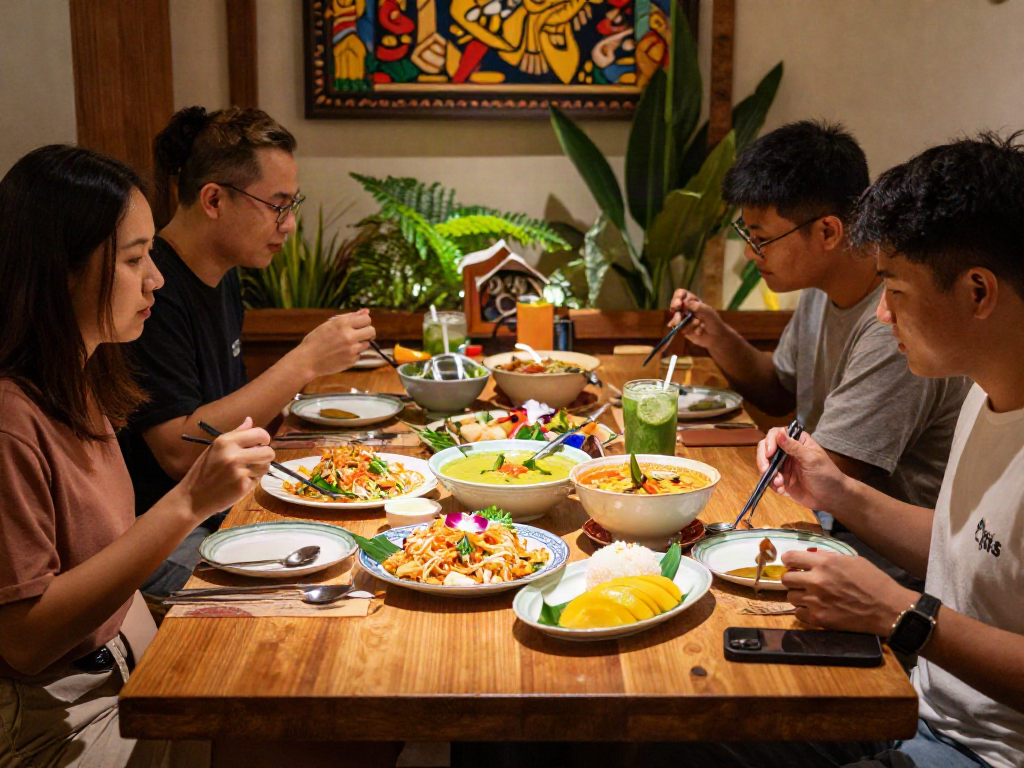
The appeal of Thai food extends beyond its flavors. Thai cuisine is often characterized by its meticulous attention to balance: sweet, sour, salty, and spicy elements are harmoniously combined to create dishes that excite the senses. This culinary philosophy aligns with a growing consumer trend towards seeking authentic and diverse dining experiences. Furthermore, the visual presentation of Thai dishes is a feast for the eyes, making meals not only delicious but also Instagram-worthy.
The rising interest in health-conscious dining has also benefited Thai cuisine. Many dishes are rich in vegetables, lean proteins, and fresh herbs, making them appealing to those looking to maintain a healthier lifestyle. Additionally, the emphasis on fresh ingredients speaks directly to modern diners who prioritize quality and sustainability in their food choices.
Culinary Trends Shaping Thai Restaurants
In 2026, several trends are setting the stage for the evolution of Thai restaurants. One prominent trend is the shift towards plant-based options. As more consumers adopt vegetarian and vegan diets, Thai kitchens are innovating to create delicious alternatives that reflect traditional flavors without using animal products. Dishes like vegan pad thai and tofu green curry are increasingly popular on menus across the globe.
Another trend is the fusion of Thai cuisine with other culinary traditions. Chefs are experimenting with ingredients and techniques from various cultures, resulting in exciting new dishes that appeal to adventurous diners. For example, the combination of Thai spices with Italian pasta or Mexican tortillas showcases the versatility of Thai flavors in unexpected ways.
Optimizing Your Menu for Maximum Profitability
Key Dishes That Drive Sales
To maximize profitability, restaurant owners must identify dishes that not only resonate with customers but also yield higher margins. Signature dishes such as green curry, tom yum soup, and pad thai are often favorites, but introducing rotating specials or seasonal offerings can keep the menu fresh and encourage repeat visits. Additionally, creating combo plates that showcase multiple flavors can entice diners to try more dishes, increasing overall spend per visit.
Cost-effective Sourcing of Ingredients
One of the primary challenges facing Thai restaurants is the sourcing of authentic ingredients. However, forming strong relationships with local suppliers can lead to better pricing and fresher produce. Prioritizing seasonal ingredients can also help manage costs while enhancing flavor. Utilizing local produce not only supports the community but can also lower transportation costs and increase menu appeal through freshness.
Seasonal Menu Adjustments: Boosting Customer Interest
Adapting the menu according to seasons can be a strategic move to draw in customers. In warmer months, lighter, refreshing dishes featuring herbs like mint or basil can dominate the menu, while winter may welcome heartier soups and curries. By promoting seasonal dishes and highlighting their unique qualities, restaurants can create anticipation and excitement among patrons.
Leveraging Online Platforms for Increased Visibility
Importance of a Strong Online Presence
In today's digital age, having a robust online presence is essential for any restaurant. A well-structured website not only showcases the menu but also serves as an essential platform for online reservations and food delivery. Engaging visuals and user-friendly navigation can significantly enhance customer experience and drive traffic to the restaurant.
Utilizing Social Media for Engagement
Social media platforms like Instagram and Facebook have become powerful tools for restaurants to engage with their audience. Regularly posting visually appealing photos of dishes, behind-the-scenes content, and interactive posts can build a loyal online community. Collaborating with food influencers can also expand reach and attract new customers who might not have discovered the restaurant otherwise.
SEO Strategies for Local Restaurant Marketing
Search Engine Optimization (SEO) is crucial for local visibility. By optimizing content for local keywords, such as “best Thai restaurant in [city name],” restaurants can appear higher in search results. Encouraging satisfied customers to leave positive reviews can also enhance online reputation and drive more foot traffic. Furthermore, utilizing local business directories like Google My Business can improve visibility among potential diners searching for nearby dining options.
Enhancing Customer Experience at Kinaly Restaurant
Creating an Inviting Atmosphere
The dining environment plays a significant role in customer satisfaction. Creating a warm and inviting atmosphere through thoughtful decor, comfortable seating, and ambient lighting can elevate the dining experience. Incorporating elements of Thai culture, like traditional art or music, can immerse diners in the culinary journey, making their visit memorable.
Effective Customer Service Practices
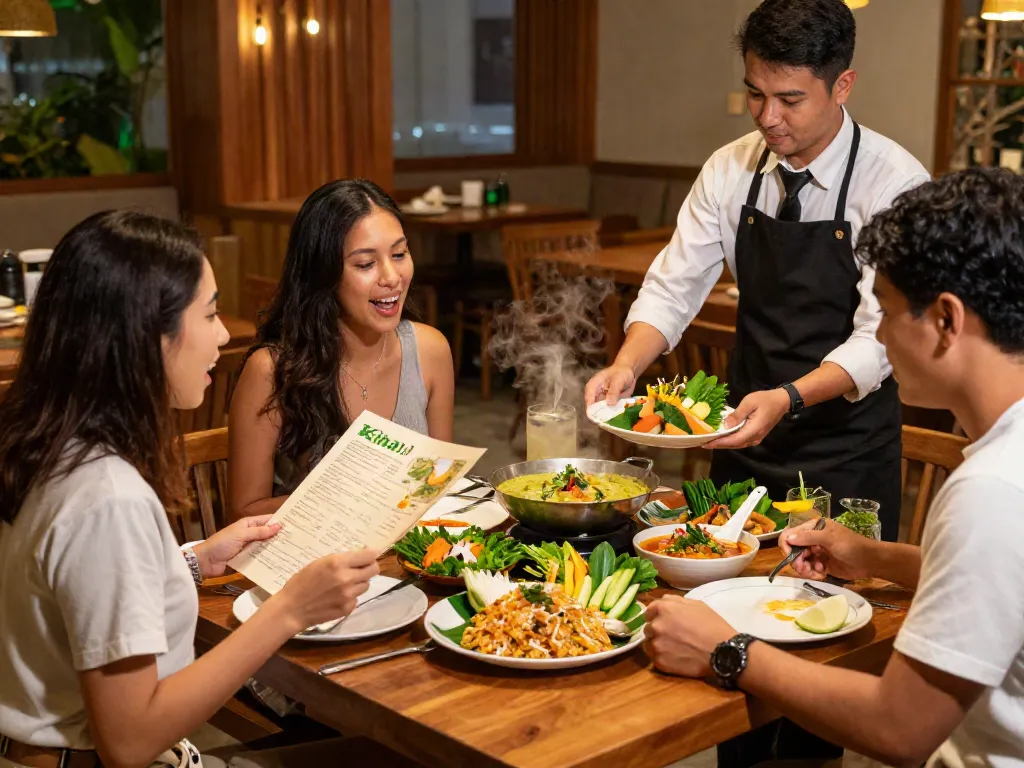
Quality service is paramount in the hospitality industry. Staff training in cultural competencies around Thai cuisine can enhance the customer experience, allowing servers to make informed recommendations and answer questions knowledgeably. A welcoming and attentive staff not only fosters a positive dining atmosphere but encourages repeat business.
Incorporating Technology to Improve Experience
Adopting technology can streamline operations and improve customer experience. Implementing online ordering systems, contactless payments, and table management software can enhance efficiency. Additionally, utilizing customer relationship management (CRM) tools can help personalize marketing efforts and tailor communications based on dining preferences.
Future Trends and Predictions for Thai Restaurants
Adapting to Changes in Consumer Behavior
As consumer preferences shift, Thai restaurants need to be agile in their approach. The growing trend towards health and wellness means focusing on nutritious options is more important than ever. Offering dishes that cater to dietary restrictions, such as gluten-free or low-carb options, can attract a broader audience and demonstrate flexibility in the menu offerings.
Innovations in Food Preparation and Delivery
The rise of ghost kitchens—restaurants that solely focus on delivery without a storefront—has shaped the way dining establishments operate. This trend enables Thai cuisine to reach a wider audience without the burden of excess overhead. Emphasizing quick and efficient delivery methods can tap into the increasing demand for convenience while maintaining the integrity of the food.
Exploring Sustainability in Restaurant Practices
As sustainability becomes a key focus for consumers, Thai restaurants can lead the charge by implementing eco-friendly practices. This could include reducing plastic waste, adopting sustainable sourcing methods, and utilizing environmentally-friendly packaging for delivery. By aligning business practices with consumer values, restaurants can boost brand loyalty and justify premium pricing.
What Are the Best Practices for Managing Seasonal Changes?
Managing seasonal changes effectively involves ongoing menu evaluation. Keeping track of customer preferences and sales data can inform decisions on when to introduce or phase out certain items. Engaging customers through feedback can also provide valuable insights into desired dishes and potential seasonal offerings.
How Can Restaurants Measure Success Effectively?
Establishing Key Performance Indicators (KPIs) allows restaurants to measure their success across various aspects, such as customer satisfaction, sales growth, and cost management. Utilizing analytics tools can assist in identifying trends and making data-driven decisions that enhance operational efficiency and financial performance.
What Emerging Technologies Should Restaurants Embrace?
To stay competitive, restaurants should remain informed about emerging technologies. Innovations such as AI-driven customer insights, automated kitchen equipment, and mobile app engagement can revolutionize restaurant operations. By leveraging technology, establishments can not only improve efficiency but also provide a personalized experience that resonates with today’s tech-savvy diners.