Understanding the Reggio Emilia Approach in Singapore
The Reggio Emilia approach to early childhood education has gained considerable traction in Singapore, appealing to parents seeking a more holistic method for their children's formative years. This philosophy values childhood as a time of exploration and discovery, whereby children's natural curiosity is harnessed to foster a lifelong love of learning. At Pegasus International Preschool, the synthesis of the Reggio Emilia principles enhances our curriculum, ensuring that we nurture inquisitive young minds. When exploring options, Reggio Emilia Preschool Singapore provides comprehensive insights into fostering a child-centered educational environment.
What Is the Reggio Emilia Philosophy?
Originating from the town of Reggio Emilia in Italy, this educational philosophy emphasizes the importance of community, relationships, and the collaborative nature of learning. It celebrates children as strong, capable individuals who are competent in constructing their own learning journeys. The role of educators is essential; they act more as facilitators, guiding children as they explore their interests and engage with the world around them.
Key Principles of the Reggio Emilia Method
- Child-Centered Learning: Children are viewed as active participants in their learning process.
- Social Collaboration: Emphasizes the importance of collaboration and communication in group settings.
- Environment as the Third Teacher: A well-organized, thoughtful environment enhances and supports learning.
- Documentation: The process of documenting children's thoughts, ideas, and activities informs teaching practices and enhances reflection.
- Parental Involvement: Engagement with parents is crucial for reinforcing learning and building a supportive community.
Why Choose a Reggio Emilia Preschool in Singapore?
Choosing a Reggio Emilia preschool in Singapore, such as Pegasus International Preschool, provides children with an educational experience that prioritizes their emotional, social, and intellectual needs. The immersive nature of this approach allows children to learn in a way that feels natural and engaging, which can lead to higher levels of motivation and a more profound understanding of concepts.
Benefits of Inquiry-Based Learning for Young Children
Inquiry-based learning is central to the Reggio Emilia philosophy and offers numerous benefits that align perfectly with the developmental stages of young children. By encouraging children to ask questions, explore, and experiment, this approach not only enriches their educational experience but also shapes their personal growth.
Fostering Curiosity and Creativity
Children are innately curious beings. The inquiry-based approach allows them to tap into their curiosity, encouraging creative thinking and exploration. Activities at Pegasus International Preschool are designed to provoke questions and motivate children to seek answers through hands-on experiences, thus fostering their creative potential.
Building Critical Thinking Skills
Through inquiry and exploration, children develop critical thinking skills that will serve them throughout their educational journey. By engaging in problem-solving and reflective practices, children learn to analyze situations, make informed decisions, and generate solutions, contributing to their overall cognitive development.
Encouraging Collaboration and Social Skills
Collaboration is a cornerstone of the inquiry-based learning model. At Pegasus, children work in groups, helping each other to communicate effectively and collaborate on projects. Such interactions teach them the value of teamwork and nurture their social skills, which are essential for their future relationships and careers.
Creating a Conducive Learning Environment
The environment where learning takes place has a profound impact on children's educational experiences. The Reggio Emilia approach emphasizes the development of a stimulating and supportive learning atmosphere that encourages exploration and creativity.
Design Elements of a Reggio Emilia Classroom
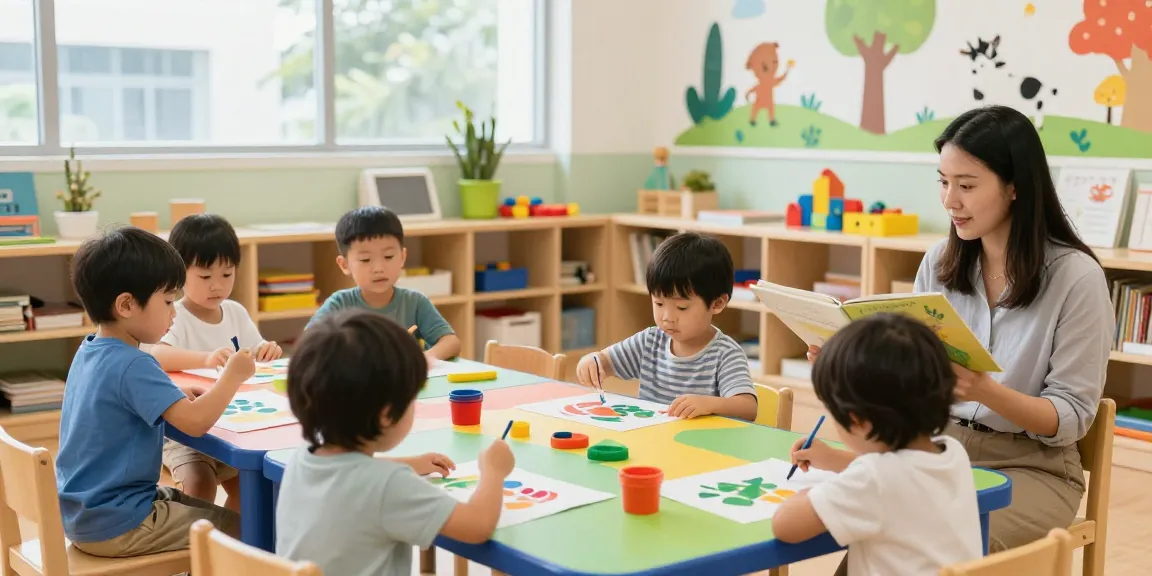
Classrooms inspired by the Reggio Emilia philosophy are thoughtfully designed to promote engagement and interaction. Such spaces are filled with natural lighting, inviting materials, and areas for creative play. This environment is not merely a backdrop; it acts as a vital component of the learning process, often referred to as the 'third teacher.'
Role of Teachers as Facilitators
Teachers in the Reggio Emilia approach are seen as co-learners rather than traditional instructors. Their main role is to observe, listen, and guide children in their investigations. By asking open-ended questions and providing resources, teachers help children delve deeper into their inquiries and support their personal learning journeys.
The Impact of Outdoor Learning Spaces
Outdoor learning is an integral Part of the Reggio Emilia philosophy, emphasizing the importance of nature in children's development. Outdoor spaces at Pegasus International Preschool are designed to stimulate exploration and encourage physical activity. Children engage with nature as part of their learning process, fostering a connection with their environment while developing essential life skills.
Parental Involvement in the Reggio Emilia Curriculum
Parents play a pivotal role in the Reggio Emilia approach, participating actively in their child's learning journey. This involvement enhances children's educational experiences and strengthens the supportive community around them.
Engaging Parents in Their Child's Learning Journey
At Pegasus International Preschool, we encourage parental engagement through regular communication and opportunities for collaboration. Parents are invited to participate in workshops, school events, and projects that allow them to contribute their skills and knowledge, enriching the learning process.
Tips for Effective Collaboration Between Home and School
Effective collaboration begins with open lines of communication. Parents can support their child's learning by staying informed about classroom activities and engaging in discussions about their child's interests and inquiries. Regular feedback from educators can help parents understand how they can reinforce learning at home.
Success Stories from Pegasus International Preschool
Many parents have shared poignant success stories about how their children have flourished in the Reggio Emilia environment at Pegasus. Children gain confidence in their abilities, show independence in their learning, and develop a passion for exploration that lasts a lifetime.
Future Trends in Preschool Education for 2026 and Beyond
As educational paradigms shift, several trends are emerging for preschools in Singapore that will shape the future of early childhood education. These trends are driven by changing societal needs, technological advancements, and a deeper understanding of childhood development.
The Growing Importance of Multilingual Education
In an increasingly globalized world, multilingual education is becoming essential. Schools that embrace diversity and teach multiple languages enhance children’s cognitive abilities and cultural awareness. At Pegasus, we offer a trilingual curriculum that encompasses English, Mandarin, and Japanese to prepare children for a multicultural future.
Technological Integration in Early Childhood Learning
Technology plays a significant role in modern education, even at the preschool level. Integrating technology into the classroom can enhance learning opportunities when used appropriately. Interactive technologies are used at Pegasus to foster creativity and collaborative learning, allowing children to explore concepts dynamically.
Addressing Cultural Diversity in the Classroom
As Singapore's multicultural society continues to evolve, addressing cultural diversity in the classroom is paramount. Reggio Emilia preschools are well-equipped to embrace this diversity by celebrating various cultures through activities, discussions, and collaborative projects that promote understanding and respect.
How Do I Enroll My Child in Pegasus International Preschool?
Enrolling your child at Pegasus International Preschool can be a seamless process. Interested parents can visit our website or contact us directly for inquiries about available spots, curriculum details, and enrollment procedures.
What Age Groups Are Catered to in Reggio Emilia Preschools?
Reggio Emilia preschools typically cater to children aged 18 months to 6 years. At Pegasus, our programs are designed to meet the developmental needs of every age group, ensuring that each child receives the attention and resources necessary for their growth.
Are There Financial Assistance Options for Preschoolers?
Recognizing the financial commitments associated with early childhood education, many preschools, including Pegasus, offer financial assistance options to support families. This ensures that every child has access to quality education regardless of their financial background.
What Makes Pegasus International Preschool Stand Out?
Pegasus International Preschool distinguishes itself through its emphasis on inquiry-based learning, small teacher-to-student ratios, and a nurturing environment. Our dedicated educators facilitate a curriculum that inspires curiosity and fosters creativity, setting the foundation for lifelong learning.
How Can Parents Prepare Their Children for Preschool?
Preparing your child for preschool involves nurturing their independence and curiosity. Parents can help by encouraging self-care skills, fostering a love for reading, and allowing children to explore new experiences. Engaging in playful conversations about school can also help children feel excited about this new chapter in their lives.