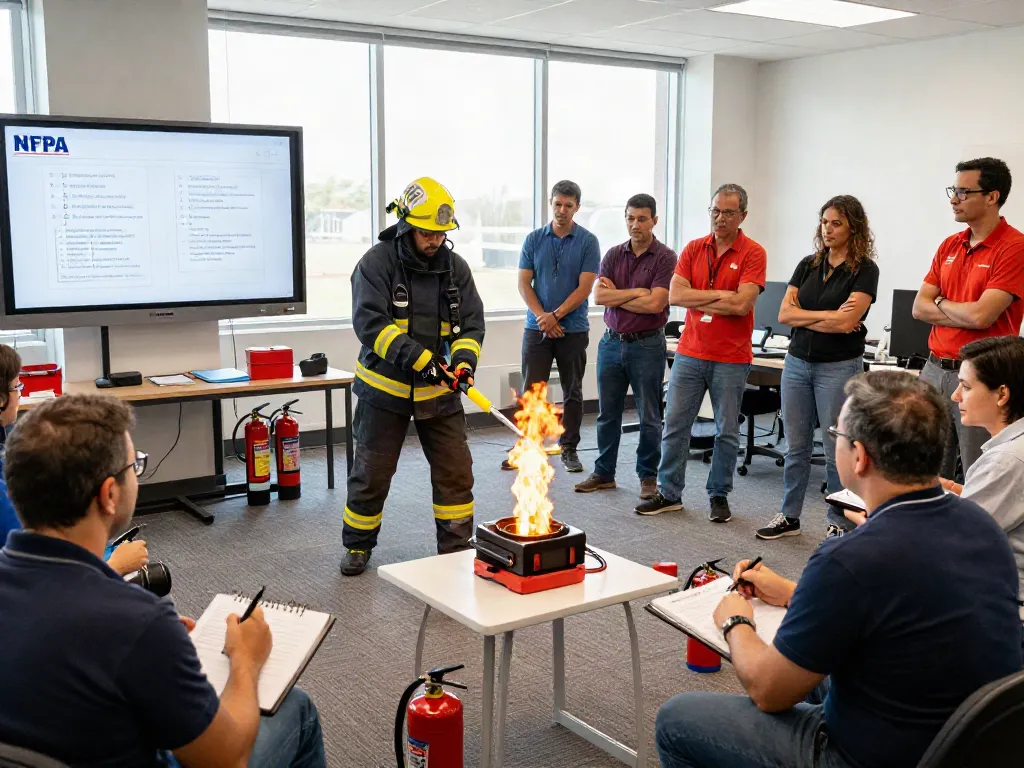
Understanding NFPA Certification Training
In today’s evolving landscape of fire safety and regulatory compliance, NFPA Certification Training has emerged as a critical avenue for professionals seeking to enhance their skills and knowledge. The National Fire Protection Association (NFPA) has been at the forefront of promoting safety standards for over 125 years, making NFPA certification a respected credential in the industry. This training not only equips participants with essential knowledge about fire prevention and emergency response but also enhances their career prospects in various sectors. When exploring options, NFPA Certification Training offers comprehensive insights into fire safety protocols and risk management.
What is NFPA Certification Training?
NFPA Certification Training encompasses a series of educational programs designed to equip individuals and organizations with the knowledge and skills necessary for effective fire safety management. These training modules cover a wide range of topics, including fire protection systems, electrical safety, and hazardous materials handling. By completing these training programs, participants gain a well-rounded understanding of fire safety standards, allowing them to implement effective safety practices in their workplaces.
Importance of Fire Safety Training in Industries
Fire safety training is not just a regulatory requirement; it is a fundamental aspect of ensuring the safety and well-being of employees and the public. Industries such as manufacturing, healthcare, and construction are particularly vulnerable to fire hazards due to the materials and equipment they use. By investing in fire safety training, organizations can:
- Reduce the likelihood of fire-related incidents.
- Enhance compliance with local and international regulations.
- Promote a culture of safety among employees.
- Minimize financial losses due to property damage and liability claims.
Overview of NFPA Standards and Guidelines
The NFPA develops and publishes codes and standards relating to fire safety, which serve as benchmarks for safety practices across various industries. Key standards include:
- NFPA 101: Life Safety Code, which outlines requirements for occupant safety in buildings.
- NFPA 70: National Electrical Code, providing guidelines for safe electrical installations.
- NFPA 25: Standard for the Inspection, Testing, and Maintenance of Water-Based Fire Protection Systems.
Understanding and adhering to these standards is essential for compliance and effective risk management.
Key Benefits of NFPA Certification Training
Enhanced Career Opportunities for Professionals
Obtaining NFPA certification can significantly boost career prospects for fire safety professionals. Many employers prioritize candidates with recognized certifications due to the assurance of their expertise in safety protocols. This recognition can lead to:
- Higher salaries and better job positions.
- Increased job security in industries that prioritize safety.
- Opportunities for career advancement and specialization.
Improved Workplace Safety Compliance
Organizations that invest in NFPA Certification Training benefit from enhanced compliance with safety regulations. Trained personnel are better equipped to identify potential fire hazards, implement preventative measures, and respond effectively in emergencies. This proactive approach not only protects employees but also safeguards the organization against legal ramifications.
Access to Exclusive NFPA Resources and Support
Candidates who complete NFPA-certified training have access to exclusive resources, including updated training materials, online forums, and networking opportunities with other professionals in the field. This continuous learning environment fosters ongoing professional development and keeps individuals up-to-date with the latest industry advancements.
Types of NFPA Certification Training Programs
In-Person vs. Online Training Formats
NFPA Certification Training is offered in various formats, including in-person workshops, online courses, and blended learning options. Each format has its own set of advantages. In-person training allows for direct interaction with instructors, while online courses offer flexibility for those with demanding schedules. Blended learning combines both methodologies, providing a comprehensive educational experience.
Specialized Training for Different Industries
Different industries face unique fire safety challenges. NFPA offers specialized training tailored to sectors such as:
- Healthcare: Addressing the specific fire safety needs of hospitals and care facilities.
- Construction: Focusing on fire prevention measures during project execution.
- Manufacturing: Implementing safety protocols in environments with machinery and flammable materials.
These specialized programs ensure that employees receive relevant training that directly applies to their work environment.
Group Training and Custom Solutions
For organizations with larger groups of employees, NFPA training can be customized to fit specific needs and schedules. Group training sessions can be conducted on-site, allowing for tailored content that addresses unique workplace hazards. This approach not only saves costs but also ensures a consistent understanding of safety practices among all employees.
Preparing for NFPA Certification Exams
Exam Requirements and Study Resources
Successfully obtaining NFPA certification requires passing a rigorous exam that tests the knowledge gained during training. Candidates should familiarize themselves with:
- Prerequisites for the certification.
- The structure and types of questions on the exam.
- Available study materials and resources.
Burraq Business Consulting provides resources that guide candidates through the exam preparation process, increasing their chances of success.
Effective Study Techniques for Success
To excel in NFPA certification exams, candidates should adopt effective study techniques, such as:
- Creating a study schedule that allocates time for reviewing materials.
- Joining study groups for collaborative learning.
- Utilizing practice exams to gauge understanding and readiness.
These techniques can help candidates build confidence and improve retention of information.
Common Challenges and How to Overcome Them
A variety of challenges can arise during the certification process, including time management and test anxiety. Candidates can overcome these obstacles by:
- Setting realistic goals for study sessions.
- Seeking support from peers and instructors.
- Practicing relaxation techniques to manage stress before the exam.
By addressing these challenges proactively, candidates can increase their chances of successfully earning their certification.
Future Trends in NFPA Certification Training
Adapting to Emerging Technologies in Fire Safety
The fire safety industry is continuously evolving, with advancements in technology playing a crucial role. NFPA Certification Training is adapting to these changes by integrating new technologies, such as:
- Smart fire detection systems that utilize IoT for real-time monitoring.
- Virtual reality simulations for emergency response training.
- Advanced analytics for assessing fire risk and safety compliance.
These innovations enhance the learning experience and prepare professionals for the modern challenges they will face in their roles.
New Training Methods and Resources for 2026
As we look towards 2026, NFPA Certification Training is expected to incorporate more interactive and engaging content delivery methods. This may include:
- Gamified learning experiences to increase engagement.
- Dynamic online platforms that provide real-time updates and resources.
These approaches will ensure that training remains relevant and effective in addressing the evolving needs of the fire safety industry.
Regulatory Changes Impacting Fire Safety Training
Staying updated with regulatory changes is essential for compliance and best practices. The NFPA continuously reviews and updates its standards, which directly impacts certification training content. Professionals must regularly engage in continuing education to be aware of these changes and refine their knowledge accordingly.
How do I become NFPA certified?
To become NFPA certified, individuals must complete an authorized training program and pass the corresponding certification exam. Requirements may vary based on the specific certification sought, so it’s important to consult the NFPA website or authorized training providers for detailed information.
Are NFPA certifications worth it?
Yes, NFPA certifications are highly regarded in the industry. They validate a professional’s knowledge and skills in fire safety, enhancing their employability and career growth potential.
How long does it take to get NFPA certification?
The timeline for obtaining NFPA certification depends on the individual’s preparation and the specific certification. Typically, individuals can complete the training and examination process within a few months.
How much does NFPA certification cost?
Costs for NFPA certification vary based on the training provider and the specific certification. It’s advisable to inquire about pricing during the initial stages of enrollment.
What industries benefit most from NFPA training?
NFPA training is beneficial across various industries, including construction, healthcare, manufacturing, logistics, and education. Companies in these sectors prioritize fire safety to protect employees and comply with legal regulations.