Understanding NAD+ Peptide: Basics and Importance
NAD+ (Nicotinamide Adenine Dinucleotide) is a coenzyme crucial for various biological processes. It exists in two forms: oxidized (NAD+) and reduced (NADH). This pivotal compound functions primarily as a carrier of electrons in metabolic reactions, making it essential for cellular energy production. Its roles extend into the realms of mitochondrial function, DNA repair, and signaling pathways that affect cellular metabolism and longevity. With the surge of interest in its application within scientific research, particularly in bioenergetics, the nad+ peptide has emerged as a critical component in laboratories focused on regenerative medicine, aging, and performance enhancement.
What is NAD+ Peptide?
NAD+ peptide refers to peptide compounds that facilitate the production and regulation of NAD+ levels within biological systems. These peptides can serve as precursors or modulators in the NAD+ biosynthesis pathway. Their role is particularly significant in studies focusing on energy metabolism and stress response mechanisms. By influencing the NAD+/NADH balance, researchers can explore new avenues in metabolic health and bioenergetics.
The Role of NAD+ in Cellular Metabolism
The importance of NAD+ in cellular metabolism cannot be overstated. It plays a critical role in the conversion of nutrients into energy, through processes such as glycolysis and the citric acid cycle. Additionally, NAD+ is integral for the activity of sirtuins, a family of proteins that regulate cellular health and longevity. These proteins are activated during caloric restriction and exercise, highlighting the potential for NAD+ to enhance metabolic responses and promote longevity.
Importance in Laboratory Research
NAD+ has gained significant traction in laboratory research due to its profound implications in various scientific fields, including aging, neurobiology, and regenerative medicine. As laboratories increasingly seek to understand the biochemical pathways that govern cellular health, NAD+ serves as a focal point in studies investigating the effects of aging and metabolic disorders. Its role as a coenzyme in redox reactions positions it as a valuable asset in experimental designs aimed at addressing health issues related to aging and metabolic diseases.
Applications of NAD+ Peptides in Research
Research utilizing NAD+ peptides is accelerating, given their diverse applications across various fields. From understanding the mechanisms of aging to exploring metabolic pathways, NAD+ peptides are at the forefront of innovative research.
NAD+ in Bioenergetics Studies
A significant area of research involves examining NAD+'s role in bioenergetics. NAD+ is directly linked to ATP production, the energy currency of the cell. By enhancing NAD+ levels, researchers aim to boost ATP synthesis, thereby improving cellular energy metabolism. This has compelling implications for athletic performance and energy management in various conditions.
In-Vitro and In-Vivo Research Protocols
The versatility of NAD+ peptides enables their application in both in-vitro and in-vivo studies. In vitro, NAD+ can be used to culture cells under conditions that mimic metabolic stress, allowing for the observation of cellular responses. In vivo studies often explore the supplementation of NAD+ peptides in animal models or clinical trials, providing a comprehensive understanding of their effects on metabolism and longevity.
Case Studies: Successful Use of NAD+ Peptides
Several case studies have showcased the potential of NAD+ peptides in enhancing metabolic health. For instance, studies focusing on age-related decline in NAD+ levels demonstrate that supplementation with these peptides can restore cellular functions and improve markers of metabolic health. Other research has pointed to possible applications in neurodegenerative diseases, where NAD+ levels are often compromised.
Testing and Purity: Ensuring High Standards
As scientists strive for accuracy and reliability in their findings, ensuring the purity and authenticity of NAD+ peptides is paramount. Rigorous testing protocols and quality control mechanisms are critical in maintaining high standards in laboratory research.
Importance of Certificate of Analysis for NAD+
A Certificate of Analysis (CoA) is essential in validating the quality and purity of NAD+ peptides. This document provides crucial information about the compound, including its purity percentage, batch number, and testing methods used. It serves as a guarantee that the peptide meets the necessary specifications for research purposes. Institutions often require a CoA to ensure that they are using compounds that have been thoroughly evaluated.
Techniques for Purity Verification: HPLC and Mass Spectrometry
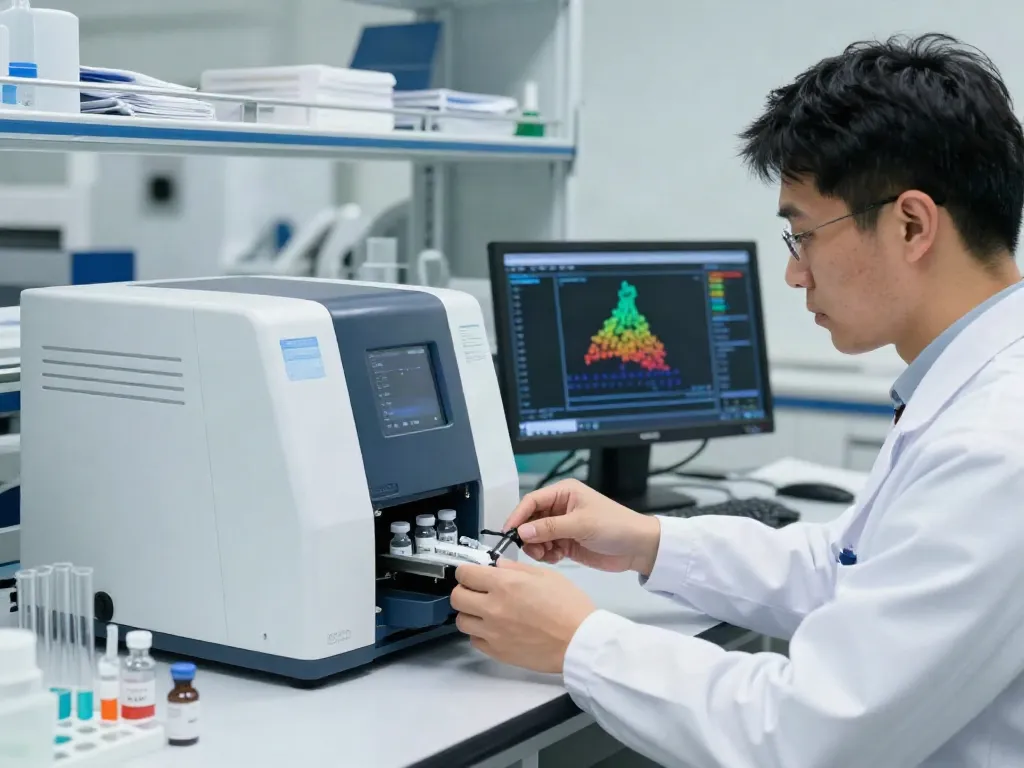
High-Performance Liquid Chromatography (HPLC) and Mass Spectrometry (MS) are two key techniques employed to verify the purity of NAD+ peptides. HPLC allows researchers to separate and quantify components in a sample, ensuring that the desired compound is present in high concentrations without contaminants. Mass Spectrometry offers additional precision by providing molecular weight information, confirming the identity of the peptides. Together, these methods provide a comprehensive approach to quality assurance.
Understanding the Quality Control Processes
The quality control processes for NAD+ peptides encompass several stages, from sourcing raw materials to final product testing. Rigorous standards are set for each phase, ensuring that the peptides produced are not only pure but also effective for their intended research applications. Effective quality control fosters trust in the scientific community, encouraging further exploration of NAD+ peptides in various studies.
Future Trends in NAD+ Peptide Research
As research progresses, the landscape surrounding NAD+ peptides is set to evolve significantly. Emerging trends indicate a broader acceptance and integration of these compounds in scientific inquiries.
Emerging Applications in Longevity Studies
With an increasing focus on longevity and anti-aging interventions, NAD+ peptides are poised to play a crucial role. Recent studies suggest that maintaining optimal NAD+ levels may enhance life span and health span by mitigating age-related metabolic decline. Research is expected to expand on how these peptides can potentially rejuvenate cellular functions, paving the way for novel therapeutic interventions.
2026 Predictions for NAD+ Peptide Usage
Looking towards 2026, it is anticipated that the application of NAD+ peptides will become even more widespread. As understanding deepens regarding their mechanisms and benefits, more clinical studies and trials will emerge. This growing body of evidence will likely lead to increased acceptance of NAD+ peptides not only in research laboratories but also in more clinical settings.
Impact of Bioenergetic Research on Health Sciences
The field of bioenergetics is continually expanding, and its impact on health sciences is profound. Research on NAD+ peptides will drive innovations in metabolic health, potentially transforming our approaches to treating diseases related to aging and metabolic dysfunction. As these studies yield new insights, the implications may extend to nutritional science, clinical treatment protocols, and preventive health measures.
Frequently Asked Questions about NAD+ Peptides
What do NAD+ peptides do for cellular health?
NAD+ peptides enhance cellular health by promoting energy production, facilitating DNA repair, and regulating metabolic processes. By maintaining optimal NAD+ levels, these peptides help ensure that cells perform their functions effectively.
Are there any risks associated with NAD+ peptides?
While NAD+ peptides are largely considered safe for research applications, their long-term effects in humans are still under investigation. It's important to prioritize caution and conduct thorough research before incorporating them into any regimen.
How can NAD+ peptides be incorporated into research?
NAD+ peptides can be incorporated into a variety of research protocols, including studies focusing on metabolic health, aging, and neurobiology. They can be administered in controlled doses to observe their effects on cellular and systemic functions in both in vitro and in vivo studies.
What is the proper dosage of NAD+ peptides in studies?
The appropriate dosage of NAD+ peptides can vary based on the specific research objectives and the model used. Researchers should consult existing literature and conduct preliminary studies to establish effective dosing regimens.
Where to buy high-quality NAD+ peptides?
High-quality NAD+ peptides can be sourced from reputable suppliers that provide Certificates of Analysis. Institutions like BioApexExpress offer rigorously tested products specifically formulated for research applications, ensuring integrity and reliability.