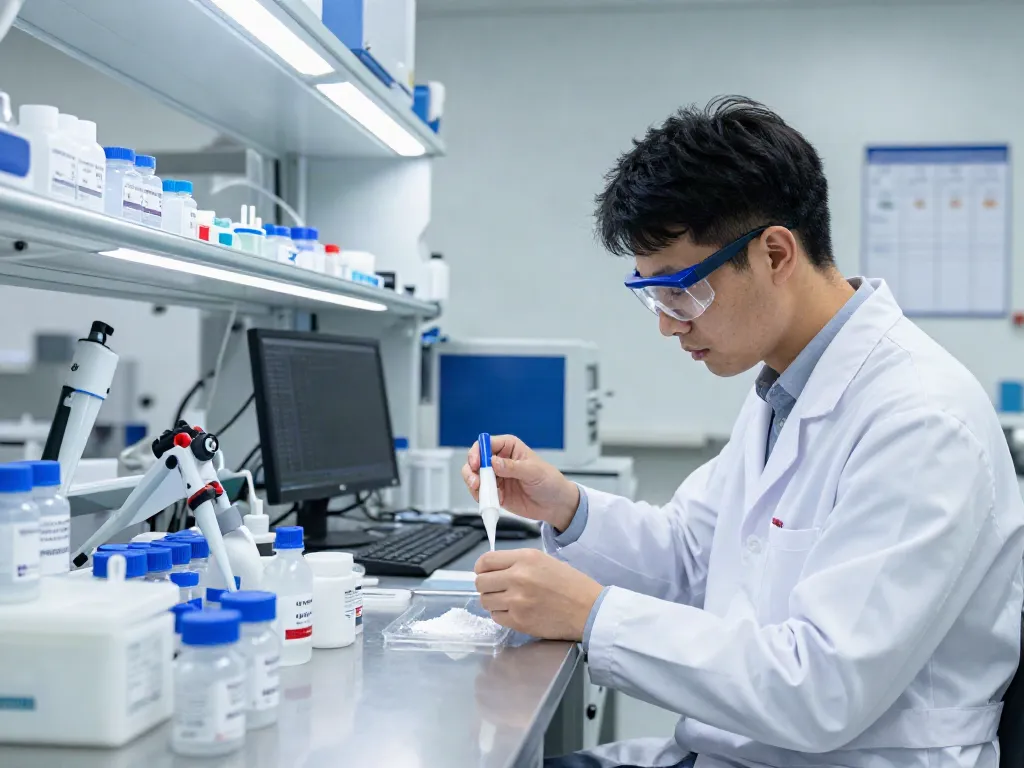
Understanding Peptides: The Basics
Peptides are short chains of amino acids that play a crucial role in various biological functions. They are integral to signaling processes in the body, influencing everything from hormone regulation to immune response. As the scientific community continues to explore their potential, the demand for high-quality peptides has surged, leading to advancements in peptide synthesis and manufacturing. In the realm of research and therapeutics, peptides made in usa stand out for their purity and reliability.
What Are Peptides and Their Functions?
Peptides are composed of two or more amino acids linked by peptide bonds. They serve various functions in the body, such as acting as hormones, neurotransmitters, and metabolic regulators. For example, insulin is a peptide hormone that regulates glucose levels in the blood, while other peptides are involved in muscle growth and recovery. Their versatility and efficacy have made them a focal point of research in biochemical and medical sciences.
Types of Peptides: An Overview
- Signal Peptides: These are involved in initiating biological processes, ensuring that specific proteins are synthesized at the right time and location.
- Hormonal Peptides: Hormones like oxytocin and vasopressin are peptides that regulate various physiological functions.
- Antimicrobial Peptides: These are part of the innate immune response, providing a first line of defense against pathogens.
- Neuropeptides: These peptides act as signaling molecules in the nervous system, influencing pain, stress, and emotional responses.
Why Choose Peptides Made in USA?
Choosing USA-made peptides offers several advantages. Firstly, the rigorous regulatory framework ensures higher standards of production and quality control. Peptide manufacturers in the United States adhere to Good Manufacturing Practices (GMP), which guarantee that the peptides produced are safe, effective, and of high purity. Furthermore, sourcing peptides domestically minimizes supply chain risks and supports local economies.
The Peptide Manufacturing Process
Key Steps in Producing High-Quality Peptides
The peptide manufacturing process involves several critical steps to ensure product quality and efficacy. It typically begins with the synthesis of amino acids through solid-phase peptide synthesis (SPPS), where amino acids are sequentially added to form a chain. Following synthesis, the peptide undergoes purification, usually via high-performance liquid chromatography (HPLC), to remove impurities and ensure the desired purity level. Finally, rigorous testing is performed to confirm the identity and purity of the peptide.
Technology and Equipment Used in the USA
Modern peptide manufacturing facilities in the USA utilize advanced technologies that enhance efficiency and output. For instance, automated synthesis machines have revolutionized the production process, allowing for the rapid assembly of complex peptide chains with minimal human intervention. Additionally, technologies such as mass spectrometry and nuclear magnetic resonance (NMR) are employed to analyze peptide structure and purity, ensuring that each batch meets stringent regulatory standards.
Quality Control Measures for Peptides
Quality control is paramount in peptide manufacturing. Comprehensive testing protocols are established to evaluate the integrity, potency, and safety of peptides. This includes verifying the molecular weight, assessing for contaminants, and conducting biological activity tests. Furthermore, adherence to stringent regulatory requirements enables manufacturers to provide reliable products that scientists can trust in their research.
Benefits of Research-Grade Peptides
Applications in Scientific Research
Research-grade peptides are utilized across various fields, from pharmaceuticals to biotechnology, due to their ability to mimic biological processes. They are used in drug development, cancer research, and vaccine formulation. Their role in understanding complex biochemical pathways is invaluable, as researchers can study how these molecules interact within biological systems.
Advantages of Using USA-Made Peptides
Using peptides manufactured in the USA comes with distinct advantages. Besides the assurance of quality and compliance with safety standards, domestic peptides often exhibit higher levels of purity compared to imported alternatives. This ensures that researchers receive reliable substances that yield consistent results. Moreover, strong customer support and quicker shipping times are additional benefits of sourcing peptides locally.
Regulatory Compliance and Safety Standards
In the USA, peptide manufacturers must comply with strict regulations set forth by the Food and Drug Administration (FDA) and other governing bodies. This includes guidelines for the manufacturing process, safety testing, and labeling. Such regulations protect consumers and researchers by ensuring that the products they use are safe and effective.
Choosing the Right Supplier
What to Look for in a Peptide Manufacturer
When selecting a peptide supplier, consider factors such as the manufacturer’s reputation, certifications, and adherence to quality standards. It's essential to ensure that the supplier conducts thorough testing of their products and is transparent about their manufacturing processes. Look for companies that provide detailed product information, including synthesis methods and quality control measures.
Comparing Prices and Quality in the USA
While price is an important factor in choosing a peptide supplier, it should not be the sole consideration. Evaluate the quality of the peptides offered by comparing purity levels, synthesis methods, and customer reviews. It is often worth investing in higher-quality peptides to ensure the reliability of your research outcomes.
Top Reputable Suppliers of Peptides Made in USA
Several reputable companies specialize in manufacturing high-quality peptides in the USA. Companies like IonPeptide, PSPeptides, and American Peptides have established themselves as leaders in this industry. They are known for their commitment to quality, transparency, and customer service, making them reliable options for researchers.
Future Trends in Peptide Research and Manufacturing
Emerging Technologies Shaping the Industry
The peptide industry is poised for growth, driven by technological advancements. Innovations in synthetic biology, such as automated synthesis platforms and AI-driven predictive modeling, are set to revolutionize peptide production. These technologies can streamline the development of new peptides, making the process faster and more cost-effective.
Predictions for Peptide Applications in 2026
By 2026, it is expected that peptides will play an even more significant role in medicine, especially in targeted therapies for diseases like cancer and diabetes. Researchers are exploring the potential of peptides in drug delivery systems, providing a more efficient way to target specific cells in the body, thus enhancing therapeutic effectiveness and minimizing side effects.
Sustainability Practices in Peptide Production
As environmental concerns grow, peptide manufacturing is also shifting towards sustainable practices. This includes using greener solvents and reagents in the synthesis process and implementing waste reduction strategies. Companies committed to sustainability will not only contribute to environmental preservation but also appeal to environmentally conscious consumers and researchers.
Who manufactures peptides in the USA?
Many companies manufacture peptides in the USA, including IonPeptide, American Peptides, and Phoenix Pharmaceuticals. Each of these companies adheres to stringent quality control standards, ensuring that their products meet the needs of researchers and clinicians alike.
Which is the most reputable peptide company?
Determining the most reputable peptide company can depend on various factors, including product quality, customer service, and reliability. American Peptides and IonPeptide have garnered strong reputations for their commitment to producing high-purity peptides and maintaining excellent customer relationships.
Can peptides be made in America?
Yes, peptides can and are made in America. The USA hosts numerous facilities that specialize in peptide synthesis, utilizing advanced technologies and adhering to high manufacturing standards.
Which peptides are FDA approved in the USA?
Some peptides, such as insulin and various hormone analogs, have received FDA approval for clinical use. These approved peptides are used in treating conditions like diabetes and hormonal deficiencies, showcasing the importance of peptides in modern medicine.
What are the common uses of peptides in research?
Peptides have a multitude of applications in research, including drug development, immunology, and diagnostics. They are used to study protein interactions, develop vaccines, and explore new therapeutic strategies for various diseases.