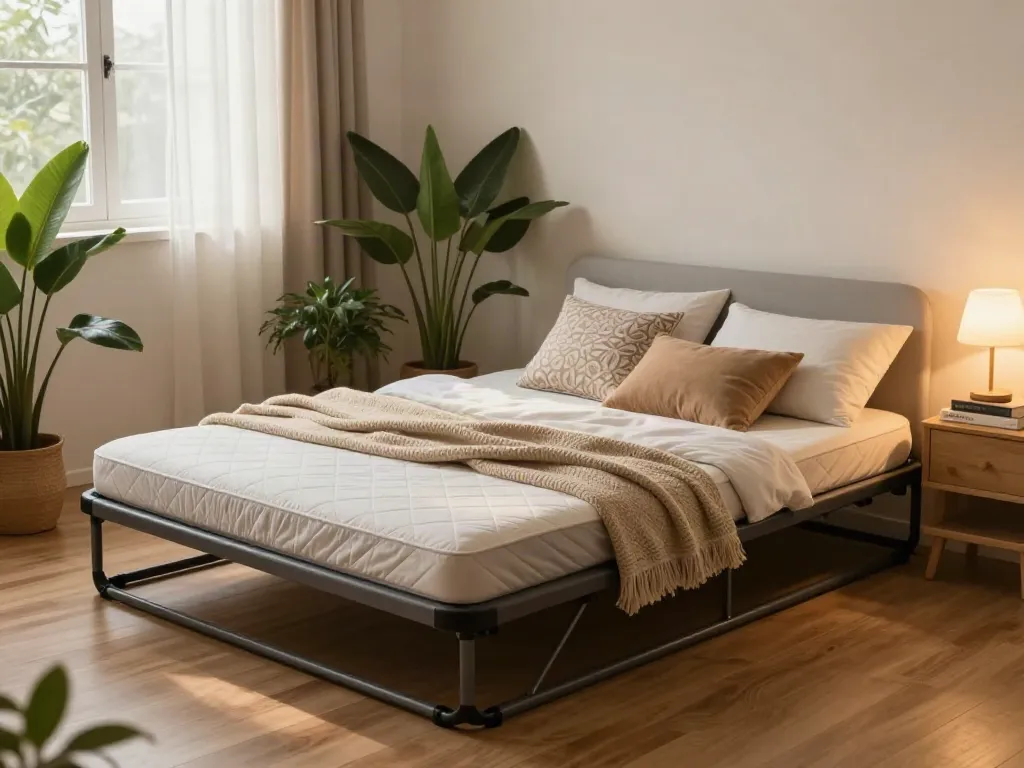
Understanding Portable Beds
As the world becomes increasingly mobile, the need for versatile sleeping solutions has surged. Whether you're a frequent traveler, accommodating guests, or simply seeking a convenient sleeping arrangement at home, a portable bed can provide the perfect solution. These beds offer a flexible approach to sleep, combining comfort, convenience, and ease of transport. When exploring options, portable bed selections can greatly enhance your sleeping experience without compromising your space.
What is a Portable Bed?
A portable bed is a lightweight, often foldable sleeping solution designed to be easily transported and set up in various locations. Unlike traditional beds, which are bulky and stationary, portable beds can be moved from room to room or even taken on the go, making them ideal for travelers, campers, or those with limited space.
Benefits of Using Portable Beds
- Space-saving: Many portable beds can be folded and stored away when not in use, making them perfect for small apartments or guest rooms.
- Convenience: They can be easily set up and taken down, allowing for quick accommodations for unexpected guests.
- Versatility: Suitable for various settings, from homes to campsites, and even for use in offices or during events.
- Comfort: Many models come with high-quality mattresses that provide excellent support for a good night’s sleep.
Common Types of Portable Beds
Portable beds come in a variety of forms to cater to different needs. Some common types include:
- Folding beds: Typically constructed with a simple frame and a mattress that folds up for transport.
- Rollaway beds: These beds are designed to roll away easily when not in use, often featuring wheels for added mobility.
- Sleeping cots: Lightweight and usually designed for outdoor use, making them ideal for camping or backyard sleepovers.
- Inflatable mattresses: Air-filled beds that can be packed down into a compact size, perfect for travel.
Choosing the Right Portable Bed
Finding the perfect portable bed requires careful consideration of various factors, including your lifestyle, preferences, and space requirements. With numerous options available, it’s essential to evaluate what features matter most to you.
Key Features to Look For
- Weight and Portability: A lightweight design will make transport easier, especially if you plan to move it frequently.
- Size: Consider the dimensions of the bed and make sure it fits comfortably in your intended space.
- Setup Process: Look for beds that are easy to set up and take down, ideally with minimal assembly required.
- Weight Capacity: Check the maximum weight limit to ensure it can accommodate users safely.
Material and Comfort Considerations
The materials used in a portable bed significantly affect its comfort and durability. Common materials include:
- Metal frames: Provide sturdy support but can be heavier than other options.
- Wood frames: Often more aesthetically pleasing and durable but can add to weight.
- Mattresses: Foam, air, or traditional spring mattresses can enhance comfort levels, so consider personal preferences.
Price Range and Budget Options
Portable beds can range from budget-friendly options under $100 to high-end models over $500. Consider your budget but also weigh lifetime value and quality. Investing in a comfortable bed can lead to better sleep quality, making it worthwhile in the long run.
Setting Up Your Portable Bed
Deploying your portable bed should be a simple process. Here’s how to ensure a smooth experience:
Step-by-Step Setup Guide
- Unpack the bed and lay it on a flat, dry surface.
- If applicable, unfold or extend the frame according to the manufacturer’s instructions.
- Attach the mattress if it is a separate unit.
- Ensure all parts are secured, and check for stability before use.
Space Optimization Tips
When setting up your portable bed, consider the following space optimization tips:
- Position the bed against a wall to maximize floor space.
- Use multifunctional furniture, such as ottomans or tables with built-in storage, to minimize clutter.
- Create a comfortable sleeping environment by ensuring adequate lighting and ventilation.
Storing Your Portable Bed
Once the bed is no longer needed, store it properly to prolong its life:
- Clean it according to the manufacturer’s instructions before storing.
- Fold or roll the bed compactly to fit into designated storage spaces.
- Keep in a dry area to avoid mold and damage, especially for fabric mattresses.
Real-Life Applications
Portable beds can be utilized in many scenarios, showcasing their versatility and practicality.
Using Portable Beds for Camping
For outdoor enthusiasts, portable beds provide a comfortable sleeping solution while camping. Cots and inflatable mattresses can easily fit in tents, offering a restful night's sleep after a day of hiking or exploring.
Ideal for Overnight Guests
When friends or family visit, a portable bed can be an excellent solution for accommodating guests. They can easily be set up in living rooms or spare rooms, ensuring your visitors have a comfortable place to sleep.
Portable Beds for Small Apartments
Limited space in apartments often necessitates creative solutions. A portable bed can be stored out of sight when not in use, providing comfortable sleeping arrangements without consuming valuable living space.
Future Trends in Portable Sleeping Solutions
As lifestyles evolve, so too do sleeping solutions. The portable bed market is witnessing significant advancements in design and technology to cater to modern needs.
Innovative Designs for 2026
Future portable beds are expected to integrate smart technology, such as sleep tracking and customizable firmness settings, ensuring users can tailor their sleeping environment to their preferences.
Sustainability in Portable Beds
Eco-conscious consumers are seeking sustainable options. Future designs may incorporate recycled materials and environmentally friendly manufacturing processes, reducing their overall environmental impact.
Emerging Technologies Impacting Comfort
With advancements in sleep technology, portable beds could soon include features like built-in heating elements or cooling systems, promoting optimal sleep conditions regardless of the environment.
What are the best portable beds for travel?
Choosing the best portable bed for travel depends on individual needs. Lightweight models, such as camping cots or inflatable mattresses, are often favored for their easy transport and setup. Look for options that balance comfort and convenience.
How do portable beds compare in comfort?
Comfort in portable beds can vary significantly. Many modern portable beds incorporate memory foam or high-quality materials that rival traditional mattresses. It’s essential to test beds when possible, focusing on personal comfort preferences.
Where can I buy high-quality portable beds?
High-quality portable beds can be purchased online through retailers like Amazon, dedicated furniture sites, or specialty camping stores. Always check customer reviews and product specifications before buying to ensure you're making an informed choice.
Can portable beds be used daily?
Absolutely! While initially designed for portability, many portable beds are durable and comfortable enough for daily use. Selecting higher-end options with quality mattresses can provide a suitable sleeping surface for regular use.
What is the best folding portable bed available?
There are numerous options on the market for folding portable beds. Top-rated models often feature robust frames, supportive mattresses, and easy setup. Researching and comparing features and reviews can help you find the most suitable choice for your needs.